
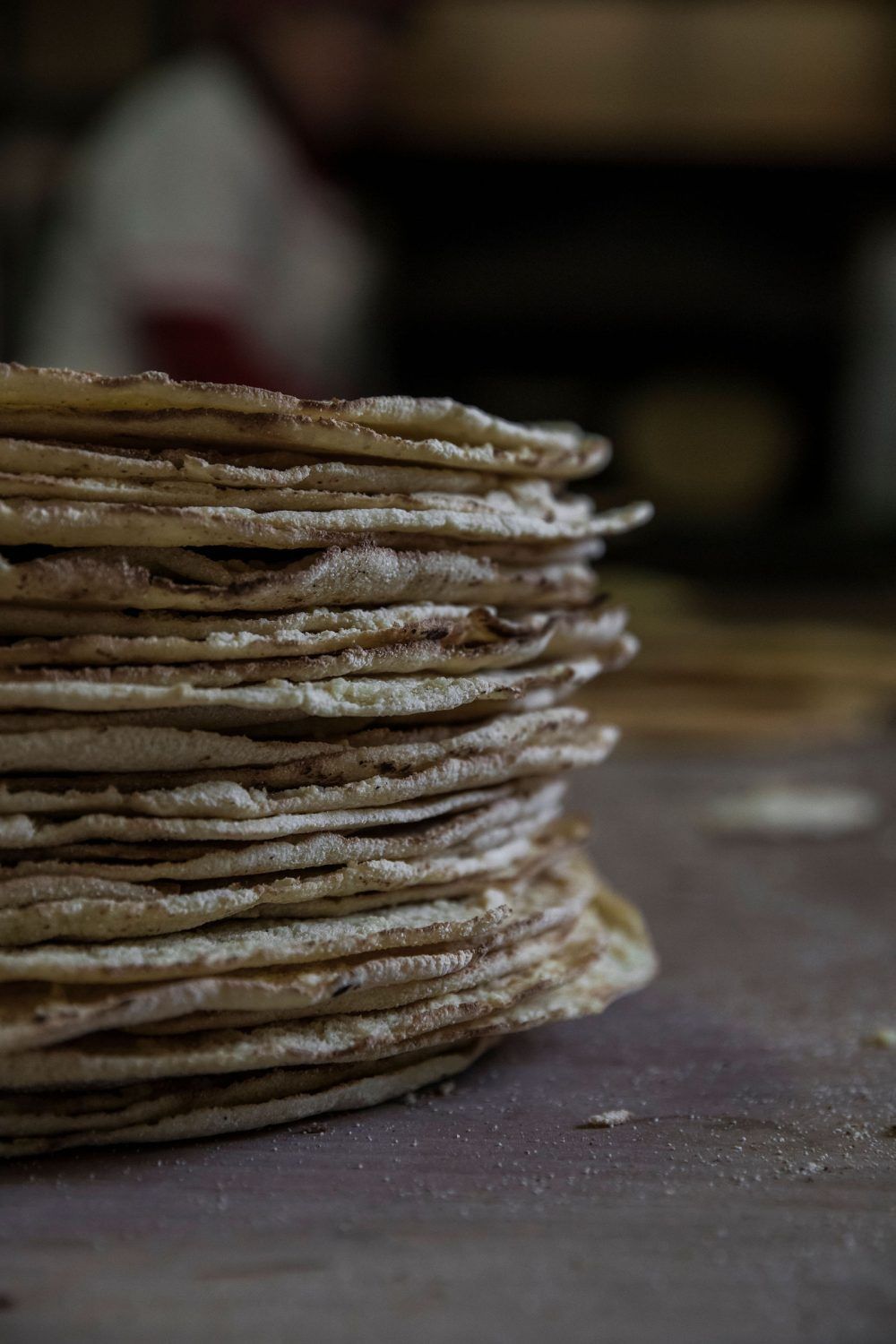

The Holiday Bread Phenomenon & why gluten is not the most likely villain
Every year, without fail, the same posts land in my inbox. Someone has been to Italy, or France, or Spain, and they’ve eaten bread — they write that this is real bread, torn from the loaf, dipped in olive oil, eaten slowly in the sunshine — and guess what? they feel fine. Better than fine they say. No bloating. No brain fog. No heaviness. And then they come home, eat a slice of toast, and it all comes back. I am very familiar with this and it was this very phenomenon that set me on my own journey dedicated to understanding bread more thirty years ago.
I notice these changes even in myself, especially in September when I run the Sourdough School retreat in Tuscany. It’s easy to see why eating bread in the sun, in an Etruscan castello, surrounded by vineyards and ancient olive groves. Everything changes including the grains and the fermentation and the whole experience of bread. Is different. The pace is different. The grains are different. Even the company is different – well at least my family behave differently on holiday.
So when you respond to bread differently on holiday it is not your imagination. You can feel less bloated, less inflamed, and more comfortable eating bread in one place than another, that matters. When I am personalising bread to an individual I listen very carefully to this because your body is giving you information, and you should listen to it.
But what I also notice on the social media posts is that explanation arrives fully formed and usually in the most dramatic “hook,” way possible. It must be GM wheat. It must be the herbicide glyphosate. It must be “chemicals in the bread.” Sometimes it’s genetic modification. Sometimes gluten bashing is a sport in itself and the leap from “I felt better on holiday” to “it’s one villain ingredient” might get a lot of interest, but it misses a much more interesting and more complex story.
Digestion is contextual.
It’s important to understand that bread doesn’t arrive in your gut as an isolated variable. The time of day when you travel and changes what you eat alongside the bread impact how you digest as well as how much you walk, how stressed you are, how you sleep, what time you eat, your alcohol intake, your fibre intake, your hydration, your circadian rhythm, even your appetite and attention.
And then the bread itself differs in ways that have nothing to do with a simplistic gluten-or-chemical narrative: fermentation time, acidity, flour extraction rate, enzyme activity, emulsifiers and additives, crumb structure, serving size, and freshness all shift how that bread behaves once it reaches your microbiome.
So, this article is a deeper look at the real reasons people may feel better eating bread abroad than they do at home. Is it gluten? Is it glyphosate? Is it genetically modified wheat? Or is it something else entirely — something more structural, more behavioural, and, frankly, more fixable?
Could It Be Gluten? Coeliac Disease vs Non-Coeliac Gluten Sensitivity
Let me start with talking about Coeliac disease, which affects roughly one percent of the population. It’s autoimmune. It’s genetic — linked to the HLA-DQ2 and DQ8 genes. When someone with coeliac disease eats gluten, their immune system attacks the lining of the small intestine, destroying the villi that absorb nutrients. This causes measurable damage, and it has a definitive diagnostic pathway through blood tests and biopsy.
It’s one of the first things I look for when I’m working with someone and looking at their genetic reports. Do they carry the predisposition? It’s hereditary, and if you have a blood relative who is coeliac, you cannot rule it out. The symptoms — weight loss, nutrient deficiencies, fatigue, digestive distress — arise because your body is literally unable to absorb what it needs. This is serious and must not be ignored. If you suspect coeliac disease, please talk to your doctor before changing your diet, because you need to be eating gluten for the tests to work.
But if you have coeliac disease it doesn’t matter whether you’re eating bread in Rochdale or Rome. Gluten damages you regardless. So coeliac disease is not the explanation for the holiday bread phenomenon.
Which brings us to the more interesting territory: non-coeliac gluten sensitivity, or NCGS.
This was defined as a distinct clinical entity by Dr Alessio Fasano, who helped establish NCGS as a condition on the spectrum of gluten-related disorders. And the crucial thing to understand about NCGS is that it’s not a disease in the way coeliac is. It’s a syndrome — a collection of symptoms. It’s what you’re left with when you’ve ruled out coeliac disease, ruled out wheat allergy, and yet the person still experiences symptoms after eating gluten-containing food that resolve when they stop.
And the symptoms are broader than most people realise. Intestinally, you’re looking at the things people most readily associate with bread intolerance: bloating, abdominal pain, diarrhoea, constipation — sometimes alternating between the two — reflux, and nausea. It looks a lot like IBS, and there is significant overlap. But the difference is that with NCGS, the trigger can often be pinned specifically to bread or gluten-containing cereals.
Then there are the extraintestinal symptoms, and this is where many people don’t connect the dots. Brain fog — that feeling of difficulty concentrating, poor memory, mental fogginess. Fatigue. Headaches and migraines. Joint pain. Muscle pain. Numbness or tingling in the extremities. Skin rashes. Dermatitis. Depression. Anxiety. Even mood disturbances. Fasano’s research found that between eighty-nine and ninety-five percent of people with NCGS report neurocognitive symptoms after gluten exposure. For many people, the brain fog is the primary symptom and personally I feel that we have to go straight back to looking at the gut and the health of your gut when it comes to NCGS, I rarely see someone with a healthy gut with NCGS.
Why is NCGS different from coeliac? Because it does not cause the villous atrophy you see in coeliac disease. There’s no measurable intestinal destruction on biopsy. The immune mechanism appears to involve innate immunity rather than the adaptive immune response that drives coeliac. And there are no validated biomarkers yet — it remains a diagnosis of exclusion, the last thing identified when everything else has been ruled out. Prevalence estimates vary wildly, from 0.6 to 6 percent of the population depending on the study, with self-reported rates reaching around ten percent of adults worldwide and it is one of the things people come to me most often with for help with bread.
But here’s where it gets really relevant to our holiday bread story. Fasano himself found, in double-blind challenge studies, that roughly half of people who believed they were gluten-sensitive did not actually react to gluten specifically when they didn’t know they were eating it. That doesn’t mean they were imagining their symptoms. It means that the trigger may not be gluten itself, but something else in the wheat — which is why many researchers now prefer the term non-coeliac wheat sensitivity. The culprits could be amylase-trypsin inhibitors, known as ATIs, or fermentable carbohydrates called FODMAPs, or other components of the grain that change how your body reacts and this can be dramatic for some depending on how the bread was made.
And that’s the key insight. If your symptoms aren’t necessarily driven by gluten per se, but by the broader composition of what you’re eating — the FODMAPs, the ATIs, the degree of fermentation, the additives — then you’d absolutely expect to feel different eating a slowly fermented French pain de campagne or an Italian altamura loaf made with durum wheat, compared to a Chorleywood-process sliced loaf from a British supermarket. Not because one has gluten and the other doesn’t, but because the process changes everything around the gluten.


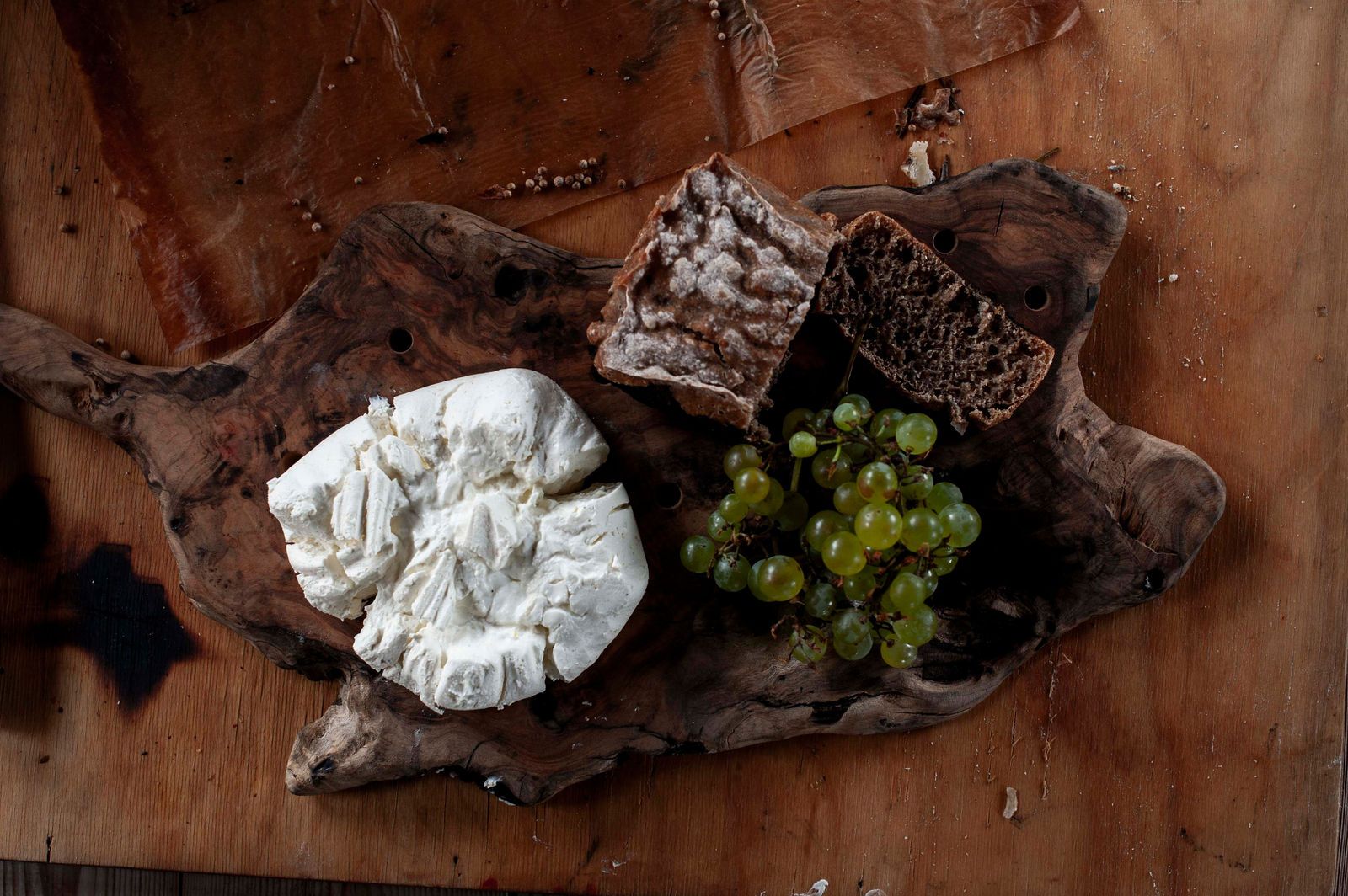
It’s Not Just Gluten: Fermentation, FODMAPs, and What’s Really Irritating Your Gut
This is where we need to talk about what long, slow fermentation actually does to bread, because the science here is genuinely exciting and it’s at the heart of what I teach at The Sourdough School and how I make my bread, and why my bread is called Proven!
When bread is fermented slowly — over many hours, with a naturally derived live sourdough culture rather than commercial yeast — the microbial activity transforms the dough in ways that fundamentally change how your gut receives it. The lactic acid bacteria and wild yeasts in a sourdough culture break down FODMAPs, those fermentable short-chain carbohydrates that cause bloating, gas, and cramping in sensitive individuals. The Monash University research has shown this clearly: a long-fermented sourdough has significantly reduced FODMAP content compared to a fast-risen yeasted bread.
The fermentation also reduces phytic acid through the activation of phytase enzymes. Phytic acid binds to minerals like iron, zinc, and calcium, reducing their bioavailability and contributing to flatulence. So, if you find yourself less gassy on holiday, less bloated, it could be because the bread you’re eating has been properly fermented and the phytic acid has been substantially broken down before it ever reaches your digestive system.
The protein structure changes too. Long fermentation partially breaks down gluten proteins, not eliminating them — this is not gluten-free bread — but predigesting them in a way that makes them less provocative to a sensitive gut. The acidity matters as well. A properly fermented sourdough has a lower pH, which influences enzyme activity, microbial ecology, and the way starch is digested.
Now think about the bread you’re likely eating in a French boulangerie or an Italian panificio. It’s far more likely to have had longer fermentation, higher natural acidity, fewer additives, no emulsifiers, no added enzymes, and a simpler ingredient list. Contrast that with much of the industrial bread in the UK or the US, produced by the Chorleywood Bread Process — which was specifically designed to eliminate long fermentation — and it becomes clear that the bread itself is doing something fundamentally different in your body.
This is precisely what my doctoral research explored, and the results were striking. One hundred percent of participants saw measurable improvements in their gut microbiome diversity, and eighty-nine percent reported improvements in mental health markers. The bread was the intervention. But it was the process of making that bread — the fermentation, the grain diversity, the botanical ingredients — that made it therapeutic. It is a holistic approach not a pill!
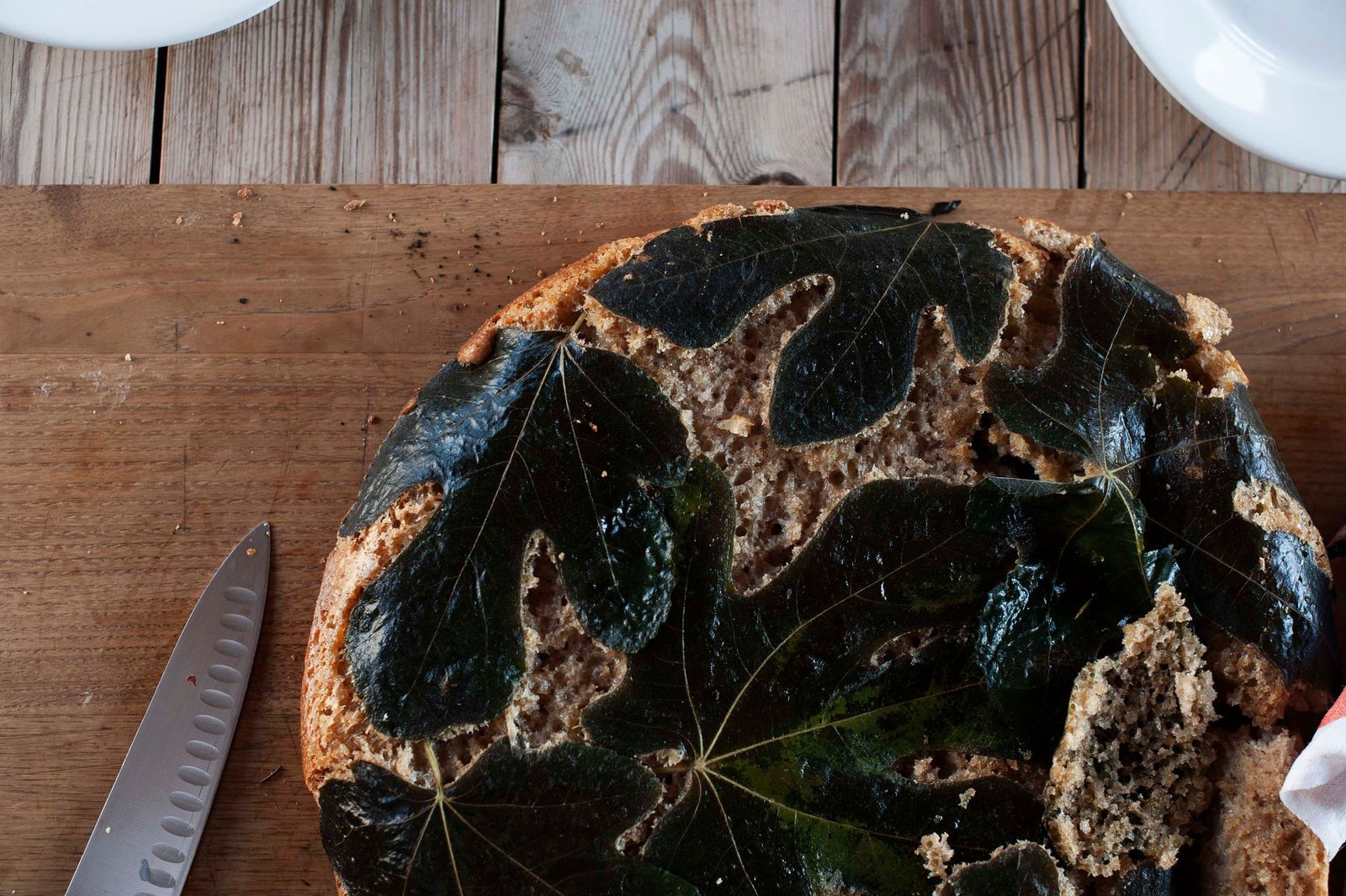
The Grain Itself: Durum, Heritage Varieties, and Flour Extraction
I know a lot of people blame gluten for their digestive discomfort. But in many cases, they’re not reacting to gluten itself. So whilst they may be reacting to bread that was never properly fermented in the first place we also have to consider the type of grain matters, and this is where the social media posts do contain a grain of truth, if you’ll forgive the pun.
Italian bread and pasta often use durum wheat — varieties like Senatore Cappelli — which has a fundamentally different gluten structure to the common bread wheat used in most British and American loaves. The gliadin-to-glutenin ratio is different, and for some people, that shift in protein composition genuinely changes how the body responds.
French flour is typically lower in protein than American or British bread flour, which means the overall gluten content of the finished bread is different. Heritage and landrace varieties — the kinds still more commonly grown in parts of southern Europe — often have different protein profiles and higher levels of natural enzymes, which may contribute to a more thorough breakdown during digestion.
Flour extraction rate plays a role too. A more complete extraction — using more of the whole grain — brings with it more fibre, more minerals, and more of the bran components that feed your gut microbiome. Many traditional European breads use flour that retains more of the whole grain than the highly refined white flours that dominate industrial production.
At The Sourdough School, I work closely with heritage grain farmers and with Hodmedods with our bread because I believe the choice of grain is the first decision in making bread that nourishes rather than irritates. It’s not just about flavour; it’s about biological compatibility.
But — and this is important — the grain is not the whole story. It’s a contributor, not a silver bullet. You can eat heritage grain bread that’s been poorly fermented and still react badly, and you can eat well-fermented bread made from modern wheat and feel perfectly fine. Grain type is one variable among many.
The Fibre Question: Why It’s Not Just About the Bread
Here’s something that rarely gets discussed in the “I can eat bread abroad” conversation: it’s not just what bread you’re eating. It’s what you’re eating alongside the bread.
A typical British or American diet is fibre-depleted. The average UK adult consumes around 18 grams of fibre per day, well below the recommended 30 grams. So when bread arrives in the gut, it’s landing in a system that’s already struggling — a microbiome that’s underfed, lacking diversity, and poorly equipped to handle complex carbohydrates.
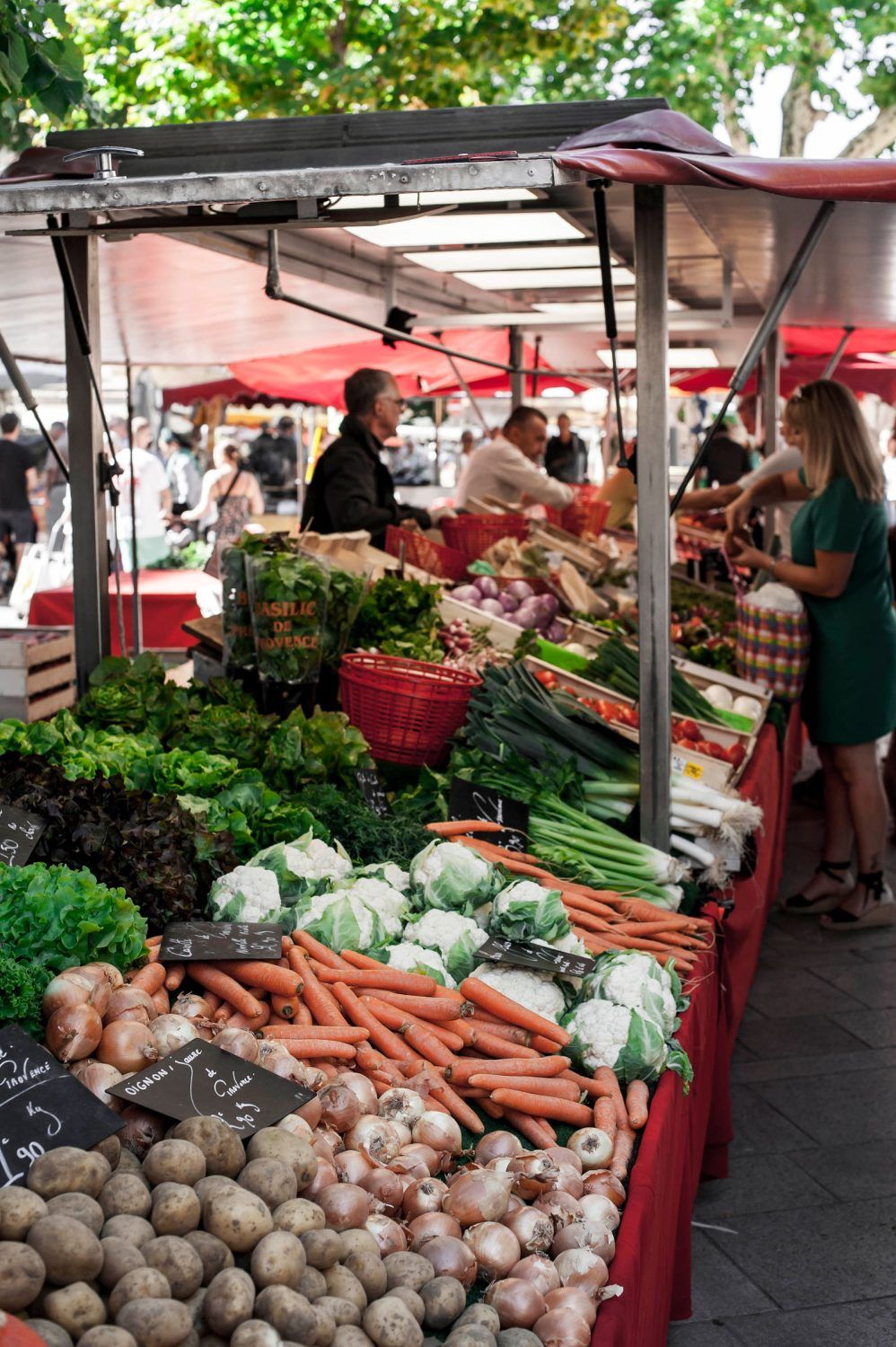
On holiday, the entire dietary context shifts. You eat more vegetables. More pulses. More olive oil. More fresh fruit. More salads with raw, diverse ingredients. You’re drinking wine with polyphenols rather than sugary soft drinks – well at least I suspect you are. So as your diet changes so too does your fibre intake goes up, the diversity of plant foods increases, and your gut microbiome starts receiving the substrates it actually needs to function.
The balance of soluble and insoluble fibre matters here too. Soluble fibre — found in oats, legumes, and many fruits — feeds beneficial bacteria and helps regulate digestion. Insoluble fibre — found in wholegrain cereals and vegetables — adds bulk and supports motility. When these are in balance, digestion works more smoothly and bread is tolerated far more easily.
This is the first principle of the BALM Protocol (the baking as lifestyle medicine protocol) that underpins everything I teach: fibre first. If you’re not feeding your microbiome adequately, no amount of good bread is going to compensate for what’s missing from the rest of your diet.
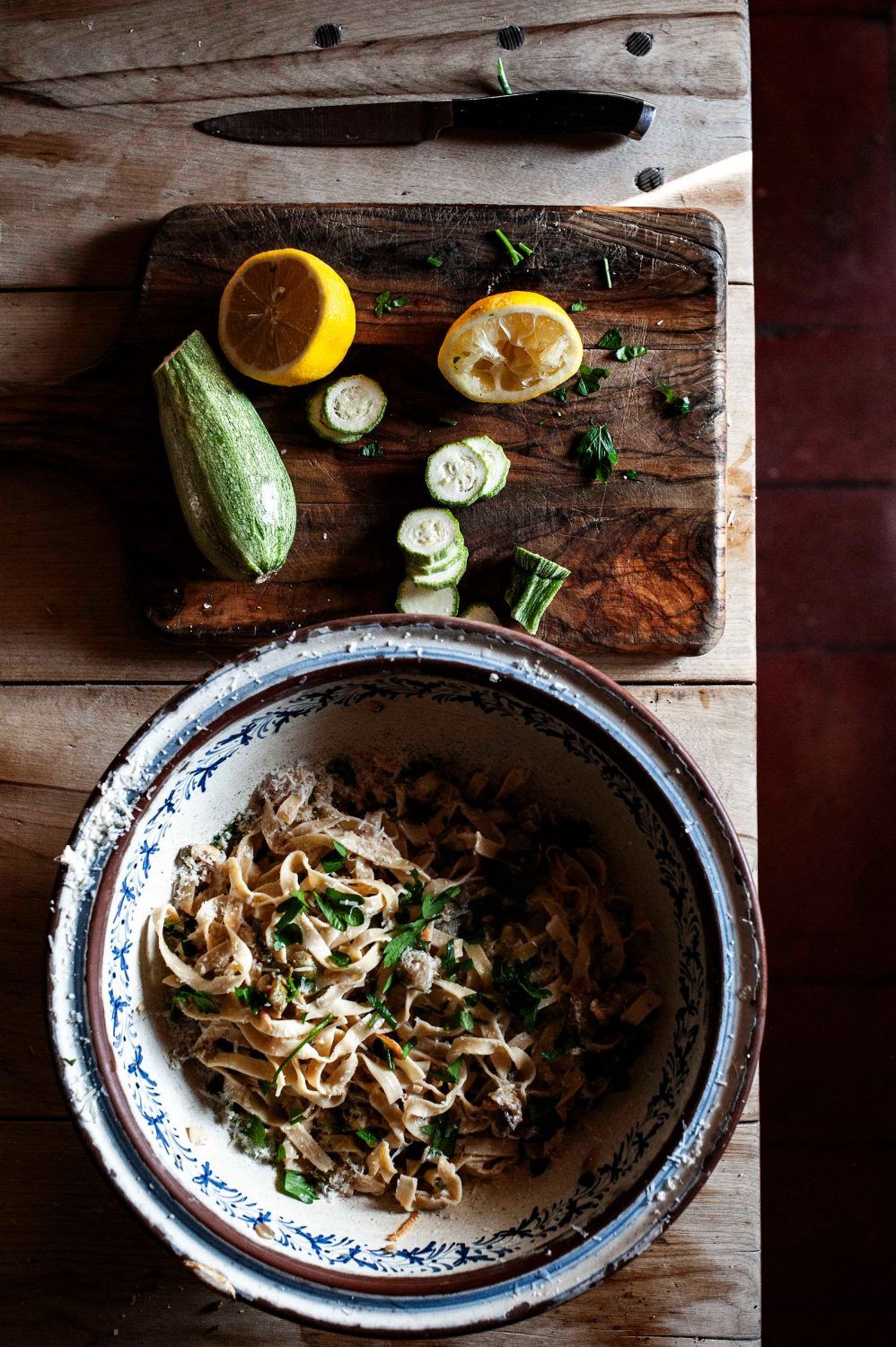
Sequence Eating: It’s Not Just What You Eat, It’s How You Eat It
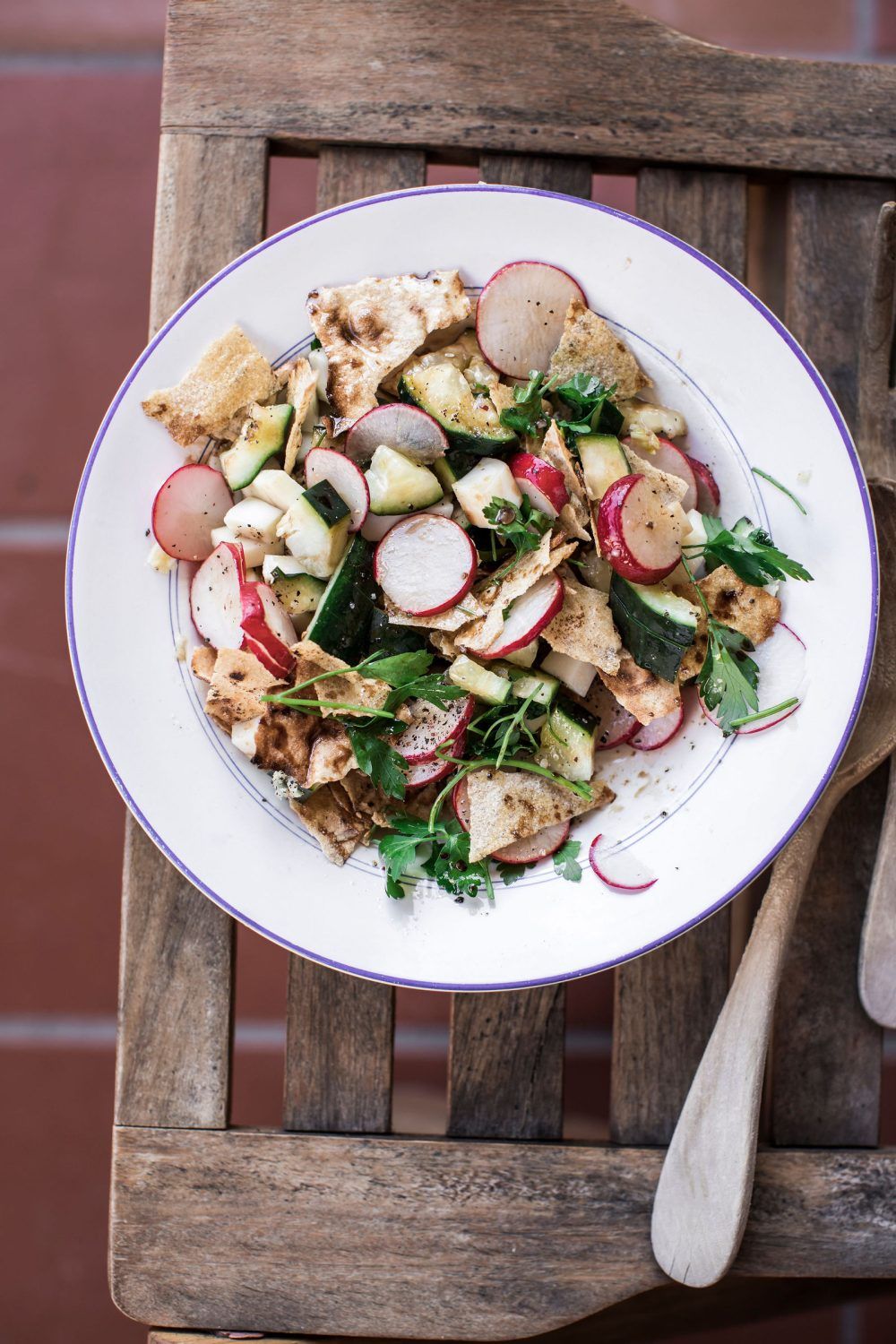
Think about how bread is eaten in Italy or France. It arrives at the table as part of a meal. You tear off a piece and dip it in olive oil while the antipasti are served. You eat it after vegetables, alongside protein, within the architecture of a proper meal.
Now think about how bread is eaten in Britain. Toast in the morning, eaten standing up. A sandwich at lunch, often at your desk. Bread is the meal, rather than being part of one.
This matters more than most people realise. The order in which you eat foods — what’s increasingly called sequence eating — changes your glycaemic response and your gut motility. Eating vegetables and protein before carbohydrates blunts the blood sugar spike and slows gastric emptying, which means the bread is digested more gradually and with less fermentation in the upper gut. The olive oil adds healthy fats that further moderate the glycaemic response and support the absorption of fat-soluble vitamins.
In a Mediterranean meal, bread is contextualised. It’s not an isolated carbohydrate load hitting an empty stomach. It’s part of a rich, diverse, fibre-rich, polyphenol-rich ecosystem of foods that work together. And your body responds accordingly, which is why at the end of this article I am introducing you to Bona Olive oil, and giving you a discount code for you to use.
The Relaxation Effect: Stress, Your Nervous System, and Your Gut
Never underestimate how important how you feel is on how you digest your bread.
On holiday, you’re relaxed. Your parasympathetic nervous system — the rest-and-digest branch is feeling easy. You’re not rushing. Hopefully you’re not checking emails between bites. You’re sitting in the sunshine with people you love, laughing, sipping wine from the local vineyard, dipping your bread into fresh, verdant green, high-polyphenol olive oil. Your body is in a completely different physiological state and this is key to how you respond to bread.
At home, if you eat at your desk, in the car, while scrolling your phone, or while worrying about deadlines. Your sympathetic nervous system — fight or flight — is running the show. And when your body is in that state, it deprioritises digestion. Enzyme secretion drops. Gut motility slows or becomes erratic and the result is that your intestinal barrier can become more permeable. Inflammation increases.
The gut-brain axis is a bidirectional communication highway between your central nervous system and your enteric nervous system, and stress directly affects every aspect of how you digest food. I have seen for many years that a student can report that the same bread — identical bread eaten in a state of calm versus a state of cortisol-driven anxiety is digested completely differently by your body.
This is not about the bread at all, or that you are eating bread abroad. It’s about you.
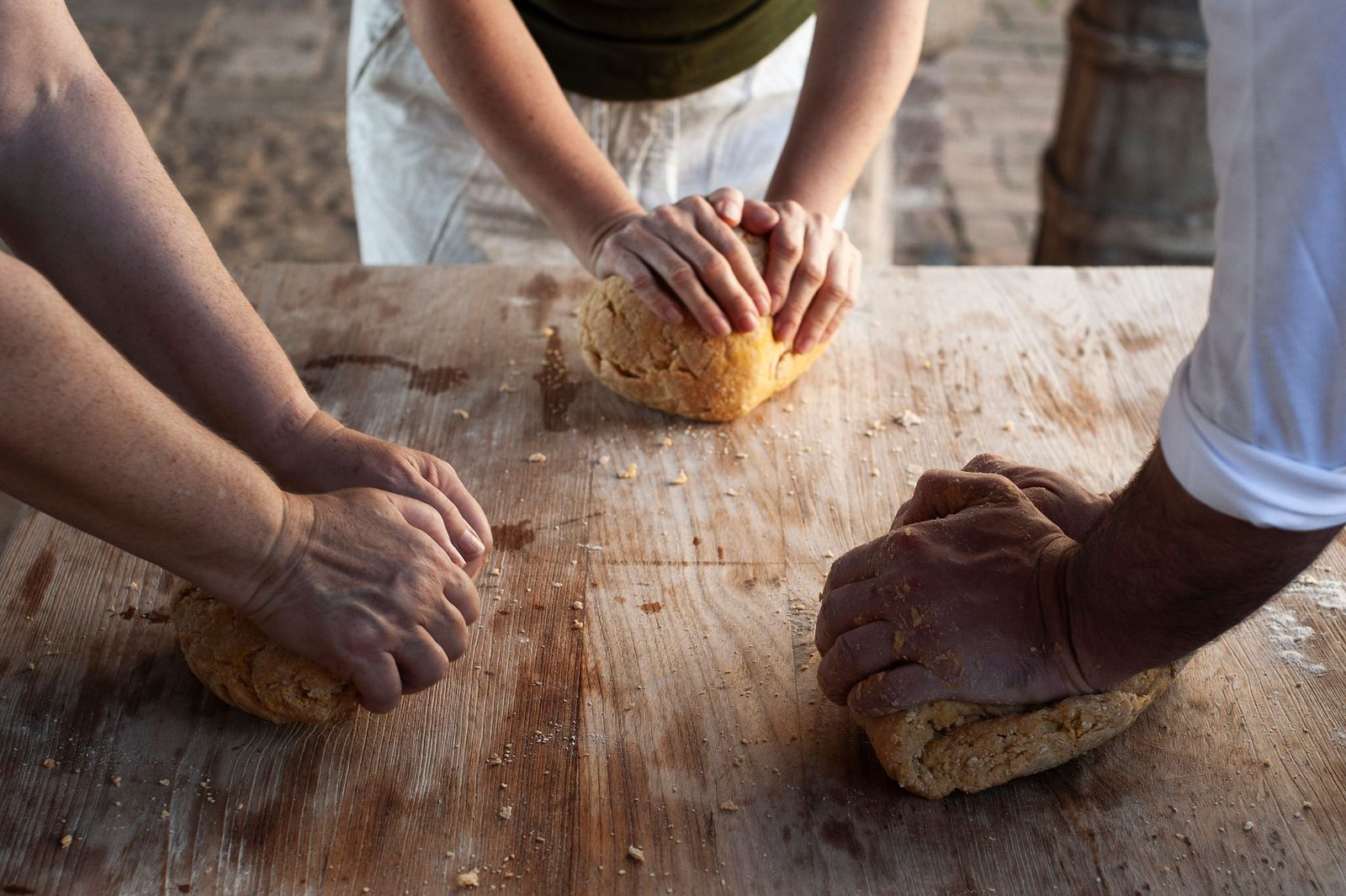
I see this every time I run the Tuscany retreat. People arrive wound tight, exhausted, disconnected from the simple pleasure of making and eating food slowly. Within days, something shifts. The bread hasn’t changed. They have.
The Glyphosate Question: Perception, Evidence, and What We Actually Know
I want to address glyphosate, because I know it’s a concern for many people.
Glyphosate is a herbicide, and it has been used as a pre-harvest desiccant on some wheat crops, particularly in damper climates where the grain needs help drying evenly before harvest. But it is not routinely sprayed on all wheat, and the perception that every loaf of bread in Britain or America is saturated with glyphosate is not accurate.
The evidence on whether the trace amounts of glyphosate residue that might be present in bread cause digestive symptoms in the short term is, at best, inconclusive. I’m not for one second suggesting we should be comfortable with glyphosate in our food system — there are broader environmental and ecological concerns that deserve serious attention. But blaming glyphosate for your holiday bread phenomenon is, in most cases, a bit of a stretch.
What’s perhaps more interesting here is the nocebo effect. The belief that something is harmful can itself create a physiological anxiety response. If you’re convinced that the bread you’re eating at home is contaminated, that belief generates stress, and as we’ve already discussed, stress disrupts digestion. On holiday, you’re not thinking about glyphosate. You’re not anxious about what’s in the bread. You’re eating with trust and pleasure, and your body responds to that trust.
The GM Myth: What the Evidence Says and Doesn’t Say
Genetically modified wheat is one of those dramatic explanations that adds a wonderful Franken-wheat narrative to the holiday bread story. But the reality is more mundane: there is no commercially grown GM wheat in mainstream food systems. The wheat in your bread, wherever you are in the world, is usually conventionally bred.
That said, modern wheat varieties — bred through conventional programmes for yield, disease resistance, and baking performance — do have different protein profiles to the heritage and landrace varieties that were once more common. Some modern varieties have gliadin profiles that may trigger a stronger response in sensitive individuals. This is a legitimate conversation, and it’s one of the reasons I’m so committed to working with heritage grains.
But the evidence that genetic modification per se causes digestive issues simply does not exist. The drama of the Franken-wheat story is appealing — it gives people a villain — but it’s not where the science points. The much more likely explanation for your improved digestion abroad is the fermentation, the grain variety, the meal context, and your state of mind — not genetic engineering.
Bringing the Holiday Feeling Home
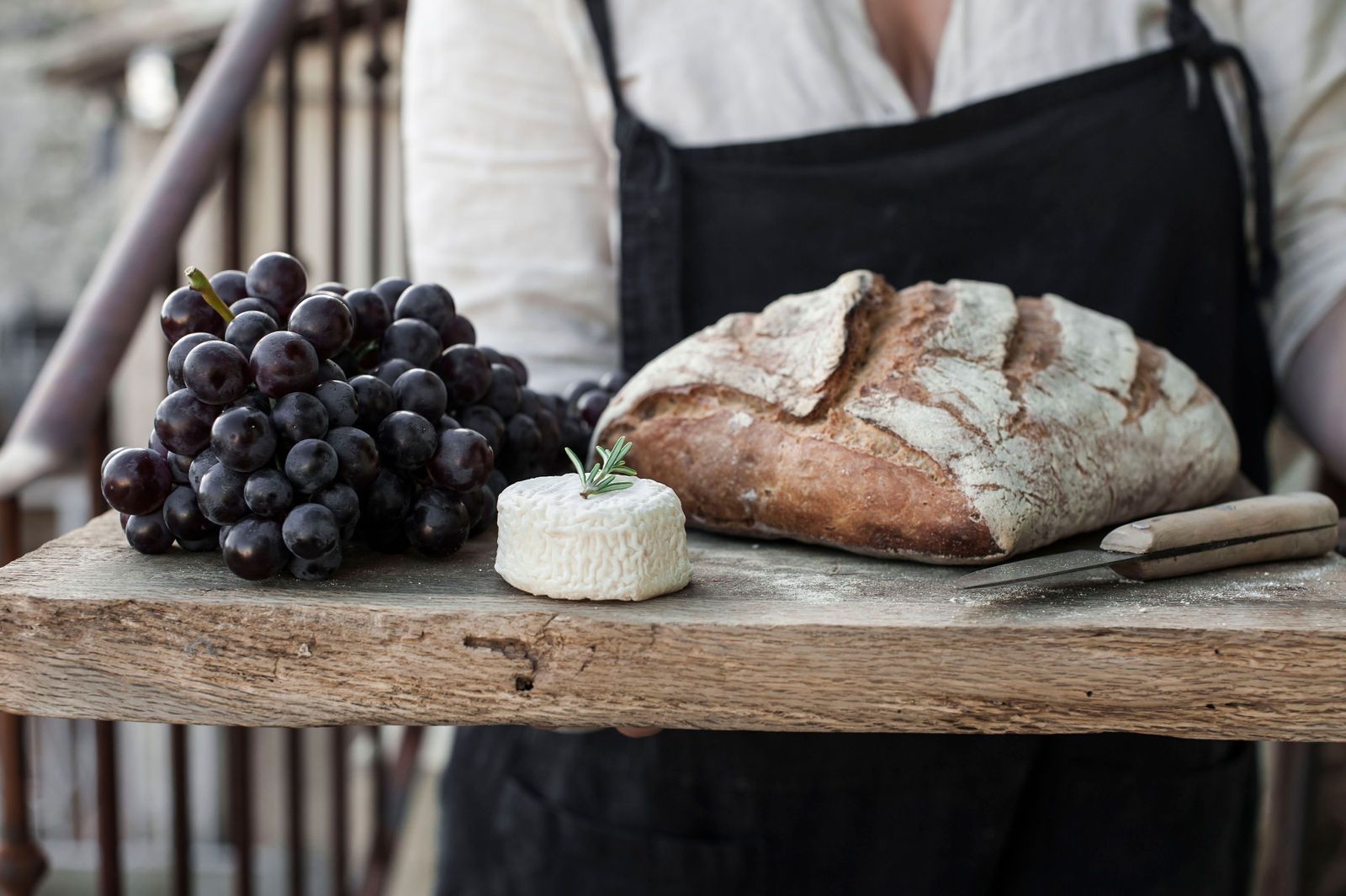
So if the reason you felt better eating bread in Italy or France is a combination of fermentation, fibre context, meal structure, relaxation, grain variety, and process — then most of those things are fixable. You don’t need to move to Tuscany (as appealing as this might be!) You need to change the way you make your bread, or buy bread like Proven, which is fermented and change how you eat it.
Find better bread. Look for long-fermented sourdough from a local bakery or learn to make your own. At The Sourdough School, we teach people not just how to bake, but how to understand what their bread is doing in their body. When you make your own sourdough, you control the fermentation time, the grain, the ingredients. You become the architect of bread that’s designed to work with your gut, not against it. I have written 3 books on how to do this, and you can pre order Proven which comes out in Autumn here. (INSERT LINK TO PROVEN)
Choose your grain. Seek out heritage varieties and stoneground flour. Connect with the farmers who grow them. Understand that grain is not a commodity — it’s a living ingredient with its own biology, and the variety you choose matters.
Eat bread as part of a meal. Dipped in good olive oil. Eat it after vegetables or salad. Let it arrive in your gut alongside fibre, fat, and polyphenols, not on an empty stomach.
Rebuild your fibre. This is foundational. If your gut microbiome is depleted, start feeding it. More diversity, more plants, more fermented foods. The BALM Protocol is built on seven principles — fibre, diversity, ferment, antioxidants, probiotics, reducing refined sugars, and lifestyle changes — and fibre comes first for a reason.
Slow down. Sit at a table. Eat with people you care about. Put your phone away. Give your parasympathetic nervous system a chance to do its job. You don’t need a Tuscan castello to eat calmly, but you do need to create a habit of making a calm space to eat.
Stop looking for one villain. The holiday bread phenomenon is not caused by one thing. It’s caused by a system — a way of growing, milling, fermenting, baking, serving, and eating bread that has been industrialised and stripped of everything that once made it nourishing. The good news is that you can rebuild that system, one loaf at a time.
Good bread — real bread, properly fermented, made with care from good grain — should not be something you only enjoy for two weeks of the year. Neither should the way you eat it. The holiday bread phenomenon is real, but the answer isn’t that bread abroad is magical. The answer is that bread at home has been broken. And that is something we can fix.
If you want to go deeper, explore our personalising courses at The Sourdough School, or discover Proven™ — bread baked to clinical principles, designed to work with your body.
Community Recommendations
We’re proud to support businesses whose ethos aligns with ours. As part of that, they’ve kindly shared exclusive codes for our community should you wish to use them.
Bona Food – Exceptional vacuum-sealed extra-virgin olive oil with rich flavour and nutritional quality. 30% off your first order with code: Vanessa30
Tom The Fish – Family-run provider of responsibly sourced, blast-frozen fish and seafood. 15% off sitewide with code: SOURDOUGH
We love what they do and are always happy to share brands we genuinely use and believe in.
Dr Vanessa Kimbell is the founder of The Sourdough School and holds the world’s first doctorate in Baking as Lifestyle Medicine and Preventative Health from Middlesex University. She has spent over thirty years researching why people digest bread differently, and her clinical work with the BALM Protocol is now used by healthcare professionals and integrated into NHS practice. She is the author of six books on bread and health.

 What is Sourdough? The Complete Guide to Real Sourdough Bread
Dr Kimball:
Great points re what one’s gut and immune system are reacting to. Multifactorial and complex.
One point about glyphosate: While not everyone reacts to glyphosate, and it may not be a sole cause of gut or immune system reactions, it IS a toxin and a poison. Whether effects show or are felt in the short term, doesn’t mean there are NO effects. It has been banned in the EU for human products in many countries for good reason, and these actions are based on researched premises.
America (not sure about Britain) has a HUGE pro-glyphosate lobby and lots of money. and you won’t find much smack-talking about glyphosate in professional circles.
That does not mean it’s healthy, safe, or even ok to eat*. (Nor does it mean any of the other herbicides [2,4-D example] and pesticides are ok in bread or any other food).
Why eat a toxin when we don’t have to?
We should be supporting non-destructive, regenerative large and small scale farming of grains, plants, animals, and their farm products like bread, not denying effects of toxins. As a veterinarian and grazier, I’ve see the destructiveness of conventional chemical-laden farming and ranching. It doesn’t have to be this way. And folks like us who grow, promote and use agricultural products can make a huge difference by promoting and supporting good practices.
Thank you for all you do regarding research and use of grains and the making of sourdough. A super valuable knowledge base and skills for life.
I love sourdough (it’s the only bread I eat) esp rye, and have always wanted to learn to make it myself. Your herbal, spice, and seed additions look wonderful. Perhaps your book is in my future 😉
*Research links, a few of thousands:
Effects on gut microbiota:
1/ https://pmc.ncbi.nlm.nih.gov/articles/PMC9145961/
2/ https://www.sciencedirect.com/science/article/abs/pii/S1382668923000911
Glyphosate carcinogenicity:
1/ https://publichealth.gmu.edu/news/2025-06/international-study-reveals-glyphosate-weed-killers-cause-multiple-types-cancer
2/ https://www.ncbi.nlm.nih.gov/search/research-news/3492/
3/ https://www.sciencedirect.com/science/article/abs/pii/S2152265025042855