When I teach people to make sourdough, I explain that there are two key methods.
Most bakers think about ambient and cold fermentation in terms of schedule and flavour. When I look at these two methods, I’m looking through two lenses simultaneously — as a baker, and as someone who works at the intersection of bread and genetics.
On the diploma, when I’m personalising bread for someone, the question of how to ferment isn’t an afterthought. It’s one of the first decisions I make. I’m looking at temperature as a tool. I use ambient fermentation when I want to maximise folate synthesis within the dough, when I need phytase working at full capacity to release bound minerals, or when I want active microbial biotransformation of polyphenols. I’m also thinking about lifestyle — what fermentation schedule actually fits how someone lives.
When I’m looking at a cold retard, I’m thinking about something different: acetic acid dominance, its distinct effect on the gut microbiome, extended gluten degradation over time, and the creation of resistant starch — all of which depend, to a meaningful degree, on your genetics.
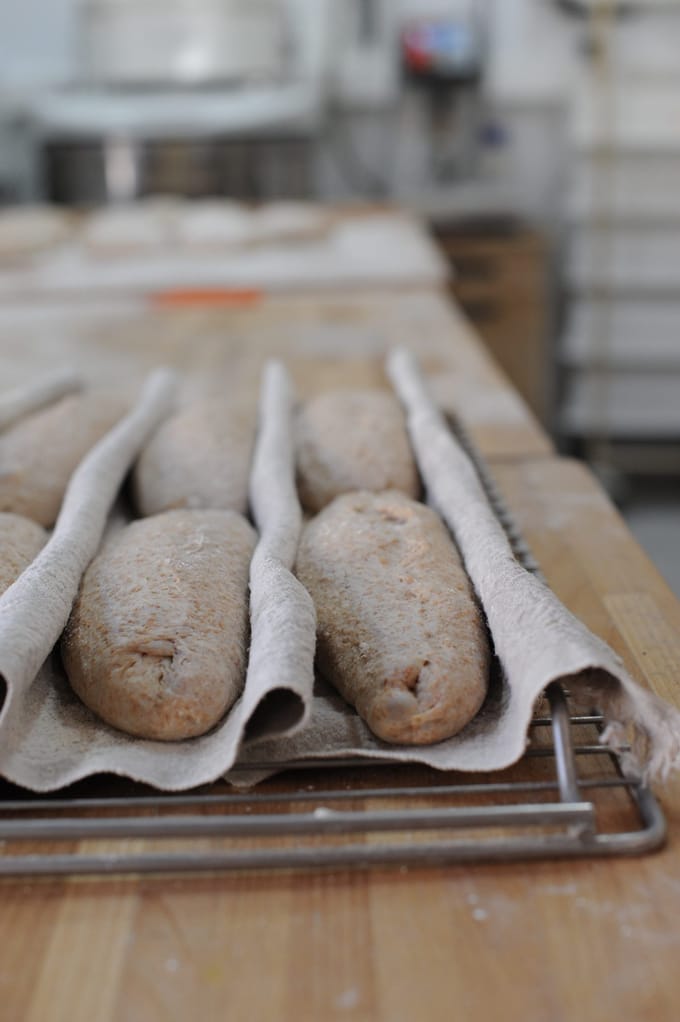
But before any of that, let’s start with what these two methods actually are — because the formula can be identical. What changes is how you ferment. And that, it turns out, changes rather a lot.: the ambient method and the retarded method. The ambient method relies on the natural temperature and humidity of your environment to control fermentation. This means letting your dough ferment at room temperature without the aid of refrigeration or proofing boxes. In essence, you’re working with nature, adapting to the conditions around you. For those looking to explore this approach, here’s a sourdough recipe that follows the ambient method.

The Ambient Sourdough Method in a Nutshell
The ambient sourdough method is about working with the natural temperature of your environment to guide the fermentation process. Think of it as the “go with the flow” method. Unlike retarded sourdough, which uses refrigeration to slow things down, ambient fermentation relies on room temperature—typically around 22–25°C—to let the dough develop at its own pace.
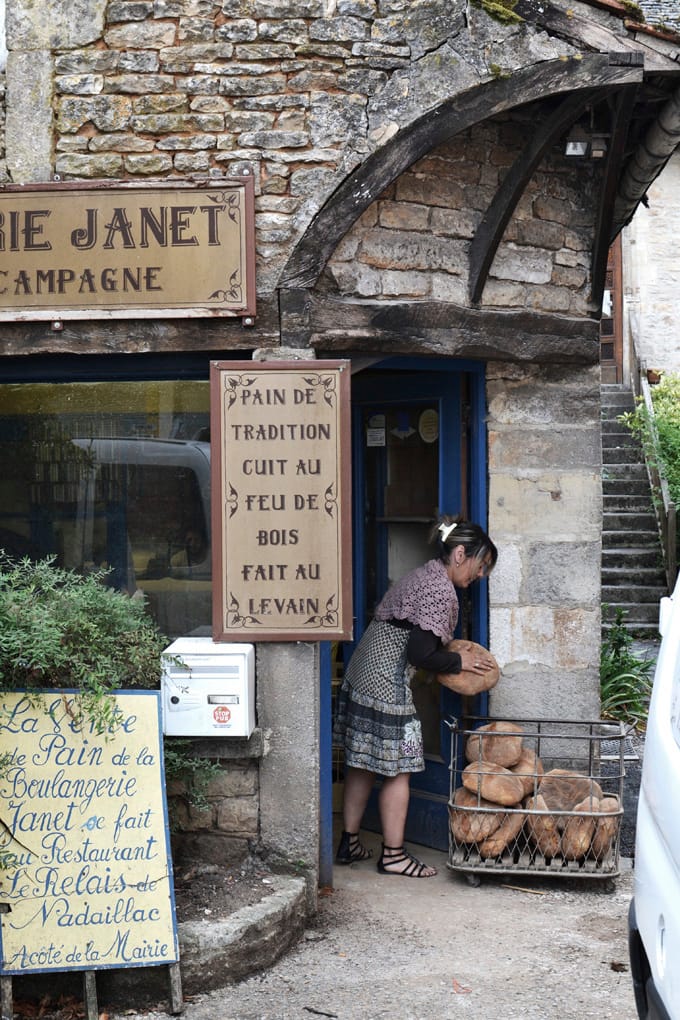
This approach is steeped in tradition. Long before refrigeration existed, bakers adjusted their techniques to the natural rhythms of their surroundings. Even today, in many parts of the world, this method is the default, not the exception.
In the video below, I share advice on the ambient sourdough fermentation method featured in The Sourdough School Book. This includes tips on timings and how to adapt the formulas for this method. For instance, using a slow levain allows for better flavour development and gluten maturity. The ambient process typically involves mixing your dough in the morning—a routine inspired by French bakeries but with a slightly later start!
For me, the ambient method embodies the beauty of simplicity. It’s how I learned to bake—an approach rooted in French tradition. This technique, which I also explore in 10 Minute Sourdough, works best for bread with a mild, lactic flavour profile. Why? Because warmer ambient conditions favour homofermentative bacteria, which produce lactic acid. The result is a creamy, less tangy bread, perfect for those who find sourdough too sharp.
What is the Retarded Sourdough Method?
In contrast to the ambient method, the retarded method is about slowing things down—deliberately. Here, refrigeration is used to control fermentation, often during the final proofing stage. The term “retarded” refers to the way the cool temperature slows down the yeast and bacterial activity, allowing for a longer fermentation time.
The science behind this is fascinating. At temperatures around 22–25°C, lactic acid bacteria thrive. They outcompete acetic acid bacteria, which are responsible for that vinegary tang. This makes the ambient method ideal for creating a milder loaf with a subtle complexity. It’s also wonderfully accessible—requiring no specialised equipment—and connects us to the time-honoured traditions of bread making.
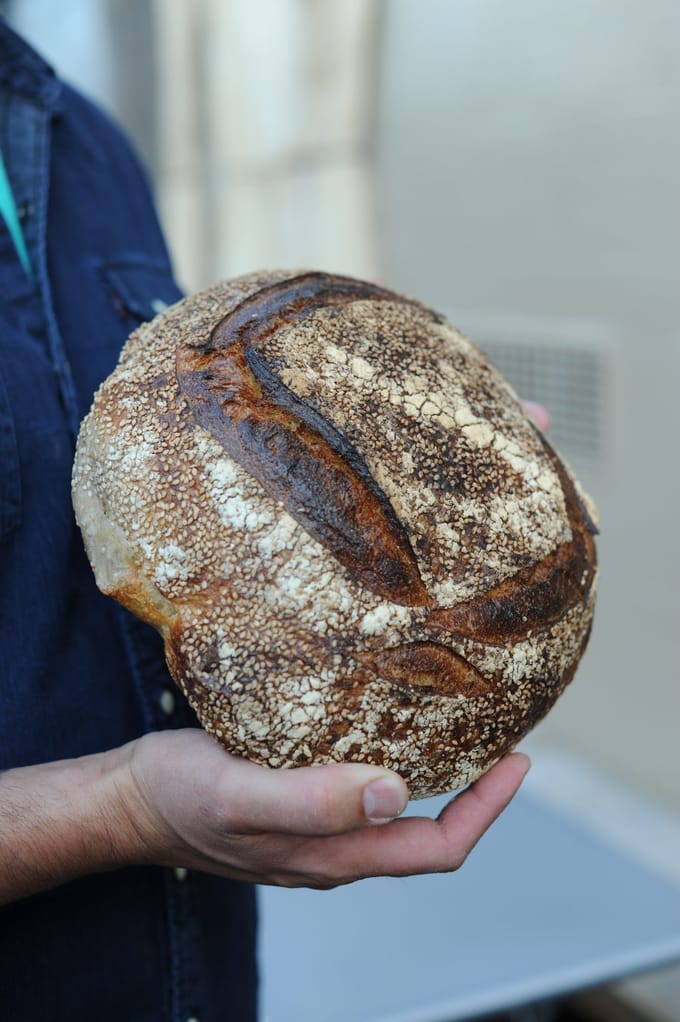
What is the Retarded Sourdough Method?
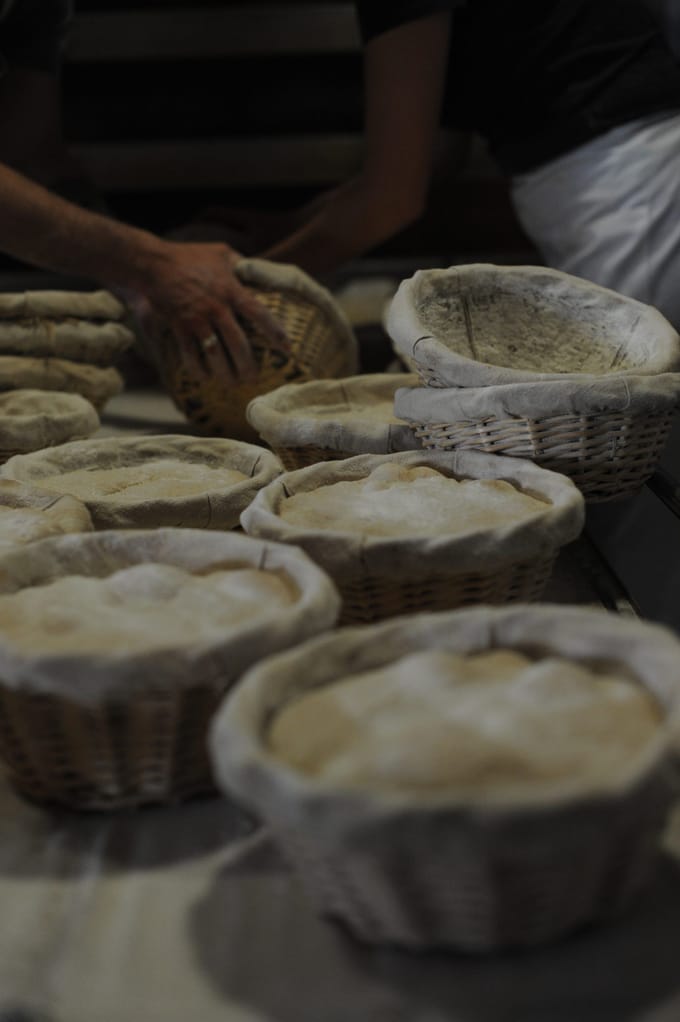
By contrast, the retarded sourdough method involves using refrigeration to slow fermentation.
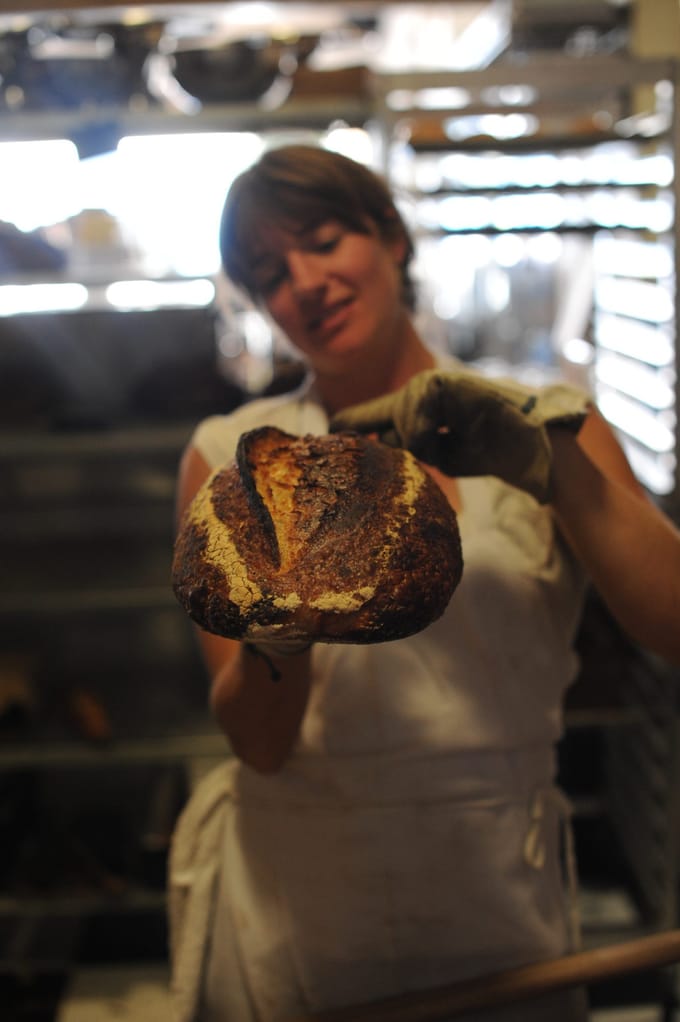
After shaping the dough, it’s placed in the fridge for an extended final proof—anywhere from 8 to 16 hours. This slows down yeast activity and allows the bacteria more time to work, resulting in a bread that is deeply flavoured and slightly tangy. This method is a cornerstone of what I teach in The Sourdough School Diploma, as it is particularly beneficial for people with digestive issues.
Retarded fermentation allows acetic acid bacteria to flourish. These bacteria produce acetic acid, lending the bread its signature sourness. This is why the retarded method is perfect for those who love bold, tangy loaves. The extended fermentation also breaks down complex carbohydrates and proteins more thoroughly, making the bread gentler on the digestive system.
Why Choose Retarded Fermentation?
Aside from flavour, there’s a nutritional benefit: the prolonged fermentation breaks down complex starches and proteins more effectively. This makes the bread easier to digest, which is why I often recommend the retarded method to individuals with sensitive digestion or specific gut health concerns. It’s one of the many aspects of sourdough baking I explore in depth on my School Diploma.
When to Choose Each Method
When I’m deciding between ambient and cold fermentation, I’m thinking about flavour, yes — the tang, the acidity, the crust. I’m thinking about timing and what fits around someone’s life. But I’m also, always, thinking about something most bakers never consider. I’m thinking about what the fermentation is actually doing — biochemically, in the dough — and whether that matches the person who’s going to eat it.
That curiosity is what the diploma is built on. Not rules. Not “always retard overnight.” A genuine understanding of why one method suits one person and not another — and what the science says about why that’s the case.
For now though, let’s just look at the two methods. What actually happens when you ferment warm versus cold. Because once you see it, you can’t unsee it.
For more guidance, you can download this handy PDF on ambient fermentation.

 Why You Feel Better Eating Bread on Holiday (And How to Fix It at Home)
Hi Vanessa:) thanks for writing about the difference between ambient and retarded, and what to focus on. Very useful. Wish you a nice day.
Super explanation. I have been fortunate to learn from Vanessa and have loved understanding what is going on in my baking. I adjust how I bake after deciding who I am baking for, what their digestive issues are and what their taste preferences. There is a balance if someone needs a retarded loaf but does not like tangy flavours, I then opt for a shorter regarded loaf.
Really interesting, thank you for explaining in a simple, easy to understand way