• Skip to main content
  • Skip to after header navigation
  • Skip to site footer

The Sourdough School Magazine

How to fix your relationship with bread by Dr Vanessa Kimbell

The Sourdough School Magazine

For in person courses, consultations and training in BALM visit The Sourdough School, or book a 1:1 meeting to get your bread personalised.

WhatsApp
[email protected]
Follow on Instagram

  • Facebook
  • Instagram
  • Pinterest
  • Twitter
  • WhatsApp
Book Your In Person Sourdough Course
Subscribe to our newsletter

.

  • About
    • Get in Touch
    • The School
    • Podcast on Apple
    • Podcast on Spotify
    • Dr Kimbell
    • What is Baking as Lifestyle Medicine?
    • Evidence Based
  • Courses
    • Online Diploma
    • Workshops
    • Baking Retreats
    • Personalised Bread Assessments
  • Baking
    • Recipes
    • Sourdough Ingredients
    • Books by Dr Kimbell
    • Sourdough Hydration Calculator
    • The Glossary
  • Bread & Health
    • Bread Health Calculator
    • Bread & Nutrition
    • Bread & Gut Health
    • Bread Matters
  • Flour
    • Flours from Farmers Directory
    • Add Farmer to the Directory
    • British Artisan Flour Mills by Region
  • Resources
    • Equipment advice pages
    • Sourdough Baking Equipment
    • Research papers
Professional Bakers: Certification In Baking As Lifestyle Medicine

Is sourdough bread good for you?

5 February 2021 by Dr Vanessa Kimbell
is sourdough bread good or bad?
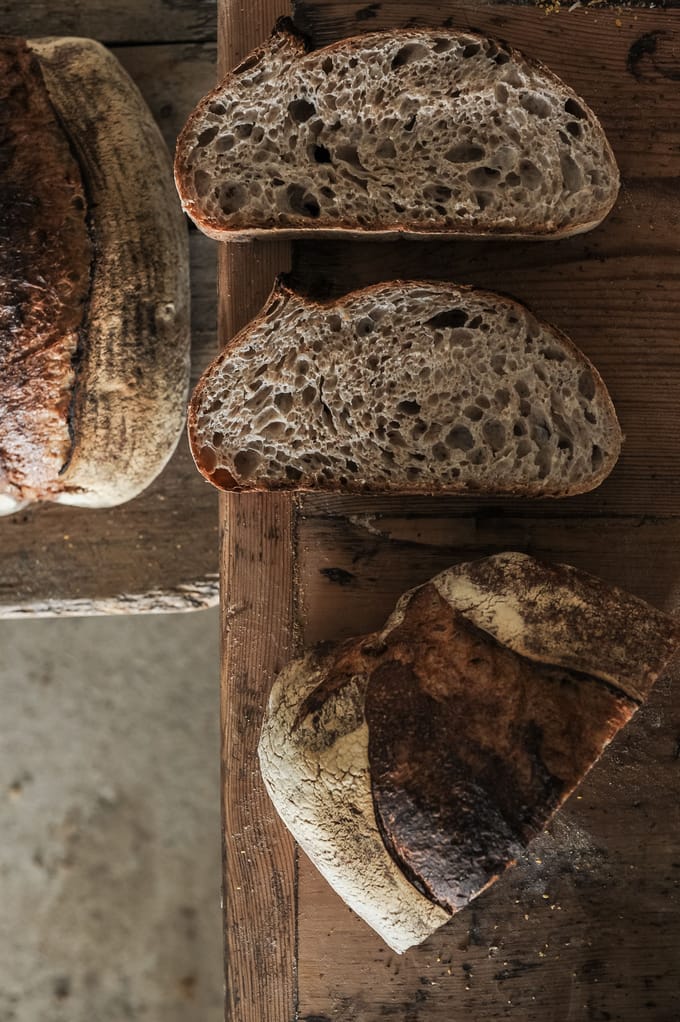
It depends on the way your bread is made.  This is BALM Protocol Bread – the defines what healthy bread is. 

Whether sourdough bread is good or bad depends on many things. In the first instance the way your body responds to bread is personal to you. and as each bread is different, you will respond differently to different kinds of bread. this is my area of expertise and you can learn more about the personalisation of bread here. 

Is Sourdough good for you? 

I the video above I share 5 top reasons of how sourdough is good for you, but this is not any old sourdough – this is the sourdough that is made according to the BALM Protocol and this is where my research and work is game changer. 

The Sourdough Secret: Weight Management

Many experts advocate against consuming bread, branding it as detrimental to health. However, in my extensive experience in baking, teaching, and researching bread tells a different story. Sourdough bread stands out as a healthier option, particularly in managing weight sustainably. Unlike the transient results of yo-yo dieting, sourdough offers a satisfying taste while keeping you fuller for longer periods, aiding in weight control without the deprivation.

Mood Stabilisation with Sourdough

Sourdough’s impact extends beyond physical health to mental well-being. The even release of energy from sourdough consumption helps avoid the blood sugar spikes and troughs associated with mood fluctuations. This stability contributes to maintaining a balanced mood and overall good mental health.

Digestive Health Benefits

Sourdough’s fermentation process pre-digests the flour, making nutrients more accessible and increasing fibre content. My research delves into how this enhanced fibre benefits gut health, leading to reduced bloating and promoting regular, healthy bowel movements. This aspect of sourdough contributes significantly to digestive wellness.

The Calming Craft of Sourdough Baking

The act of making sourdough itself has been found to have therapeutic effects. Research conducted during the lockdown revealed that participants experienced notably lower anxiety levels when baking sourdough. This suggests that the process is not just about creating food but also serves as a calming and enriching practice.

Nutritional Enhancement through Fermentation

The long, slow fermentation process of sourdough unlocks an increased amount of vitamins and minerals in the bread. Compiling various studies confirms the nutritional superiority of sourdough over conventional bread, underscoring its role in a healthy diet.

Sourdough bread, with its myriad health benefits, is not just food; it’s a pathway to a healthier lifestyle. Here at The Sourdough School, we delve deeply into the science behind sourdough, substantiating its advantages. For more insightful information on baking nutritious, sustainable bread for you and your loved ones

You will discover that what makes sourdough good for you is not just fermentation but the way that the sourdough is made. It’s important to recognise that sourdough is a process – understanding this is essential  when working out whether or not your bread is real sourdough. A true sourdough loaf will have gone through a long, slow fermentation. This makes the bread more nutritious, as the body is able to access and utilise more of the fibre, vitamins and minerals contained within the loaf. The slow fermentation reduces the gluten load, which improves digestibility, and increases resistant starch, which controls blood sugar. With regards to real sourdough, white sourdough is only marginally better for you than non-sourdough breads. This is because white sourdough still doesn’t contain much fibre, which is what nourishes your gut microbes. To increase your fibre intake, you should aim to make loaves that contain wholegrain flour rather than being made entirely from white flour. Wholegrain flour has other benefits, too, such as including more B vitamins and magnesium, but it’s important to be mindful of where you source your wholegrain flour.

Why some sourdough is not good for you

Not all sourdough is good for you. Fake sourdough, however, can actually be bad for you. Often these ‘fake sourdough’ breads contain flavourings to give them a sour taste – a flavour that should have been achieved through a long, slow fermentation. Without this slow fermentation, the gluten remains intact, which means that eating the loaf can raise blood sugar levels and could be awful for sufferers of IBS and non-coeliac gluten intolerance. In addition, any fibre within the loaf is less accessible to the body due to this lack of fermentation, as are the vitamins and minerals.

The kind of sourdough loaf you consume, as well as how you enjoy it as part of a meal, can also affect how good or bad sourdough bread is for you, and how nourishing it is for your gut. You can explore different recipes on the Sourdough Club, going from basic loaves containing some wholegrain flour to advanced bakes using Botanical Blends and additional ingredients. You can also discover our symbiotic recipes, which are designed to work with your bakes to enhance their nourishing effect as part of a balanced diet.

Some simple facts: to consider if sourdough his good for you

  1. Enhanced Digestibility: Sourdough fermentation breaks down gluten, making it easier to digest than regular bread. This process can be particularly beneficial for individuals with gluten sensitivity (though not for those with celiac disease), as it reduces the bloating and discomfort often associated with gluten.

  2. Improved Nutrient Absorption: The lactic acid bacteria present in sourdough can neutralize phytic acid, a substance found in grains that inhibits the absorption of minerals. By reducing phytic acid levels, sourdough bread allows for better absorption of minerals such as iron, zinc, and magnesium, contributing to a more nutritious diet.

  3. Lower Glycemic Index (GI): Sourdough bread has a lower GI compared to many other types of bread. This means it causes a slower rise in blood sugar levels, making it a more suitable option for managing blood sugar, especially for individuals with insulin sensitivity or diabetes.

  4. Rich in Prebiotics and Probiotics: The fermentation process enriches sourdough with prebiotics, which feed the beneficial bacteria in the gut. Although most probiotics do not survive the baking process, the changes in the bread’s pH and the breakdown of fibers during fermentation can still benefit gut health.

  5. Natural Preservation: The acidic environment of sourdough bread acts as a natural preservative, helping to inhibit the growth of mold and extending its shelf life without the need for artificial preservatives.

All reasonable care is taken when writing about health aspects of bread, but the information it contains is not intended to take the place of treatment by a qualified medical practitioner. You must seek professional advice if you are in any doubt about any medical condition. Any application of the ideas and information contained on this website is at the reader's sole discretion and risk.

Learn more about…

The Sourdough
School
Attend a
Sourdough Retreat
Join Proven
Bread Classes
The Sourdough
School Diploma

Never miss a post

Enter your email address


About Dr Vanessa Kimbell

Dr Vanessa Kimbell is acknowledged as one of the world’s foremost authorities on bread and human health — the first person to hold a doctorate in Baking as Lifestyle Medicine and Preventative Healthcare, and the pioneer who, long before gut health became a mainstream concern, first identified the crucial role bread plays in the gut microbiome and mental wellbeing. A fourth-generation baker of Italian descent, she has been baking sourdough since the age of 11, served her traditional apprenticeship in the Dordogne, and is a time-served, French-trained qualified baker who has worked alongside some of the world’s greatest bakers including Richard Hart and Gabriele Bonci. She has spent four decades asking the questions the food industry preferred no one asked: why was industrial mono bread slowly harming us, and what would it take to make bread that genuinely nourishes?

The answer became her life’s work. As founder and Course Director of The Sourdough School in Northamptonshire — a world-renowned centre of research and education — she has taught bakers from over 84 countries, integrated the BALM (Baking as Lifestyle Medicine) Protocol into NHS clinical practice at Bethlem Royal Hospital, and developed Proven Bread: the first bread built on clinical evidence, personalised to the individual through nutrigenetics and gut microbiome assessment. She delivered the Royal College of General Practitioners‘ approved course in the Nutrition of Bread, has been a regular contributor to BBC Radio 4’s Food Programme for many years, and collaborates with leading scientists and clinicians including Professor Tim Spector — who credits her with teaching people to make the healthiest bread in the world — and Professor David Veale. Named the Sourdough Queen by The Telegraph in 2013, her influence reaches far beyond the classroom — from artisan bakers and healthcare professionals to the world’s leading food scientists and multinational food corporations.

A bestselling international author of five books, her sixth — Proven — publishes in November 2026.

More information about Vanessa can be found at
The Sourdough School,
The Sourdough Club,
on Instagram at @SourdoughClub,
@SourdoughSchool and
@vanessakimbell,
on Facebook and
LinkedIn.

Previous Post:sourdough bouleWhat is the healthiest bread?
Next Post:Why is sourdough bread good for you?why is sourdough bread good for you?

Reader Interactions

Leave a Reply Cancel reply

Your email address will not be published. Required fields are marked *


Todays live for diploma students will be on 'How t Todays live for diploma students will be on 'How to engage your patient in the lifestyle changes of the BALM' with @vanessakimbell 

In their 6pm live session, we help keep our students on track with the syllabus and discuss the application of Baking As Lifestyle Medicine to the 6 pillars of Lifestyle medicine, applying the research papers, application of the Research, and how this ties into prescribing, along with guest lecturers, discussions and sharing knowledge.

#lifestylemedicine #health #functionalmedicine #nutrition #integrativemedicine #healthylifestyle #wellness #lifestyle #rcgp #dietitian #nutritionist #healthcareprofessional #holistichealth #healthyliving #plantbased #guthealth #naturopathicmedicine #selfcare #functionalnutrition  #naturopathicdoctor #foodasmedicine #foodismedicine #lifestylegoals #cpd #lifestylechange #mentalhealth #sourdough #sourdoughschool #bakeforhealth
BAKE, ANALYSE, EAT; RECALIBRATE & REPEAT. 📆 The S BAKE, ANALYSE, EAT; RECALIBRATE & REPEAT.

📆 The Sourdough School Clinic - Thursdays 8pm - for students of The Sourdough School 

✏️ In this weekly live session, we cover technical baking questions. Students can submit their Baking Record Sheets in advance of the session.

📋 We look at the details of our student's bakes - the specifics of the flour, timings and temperatures. Using our sourdough record sheets Vanessa will make suggestions on how they might modify, or recalibrate the next time they bake.

Follow the link in the bio to learn more about becoming a student at The Sourdough School 👆

#sourdough #sourdoughschool #bread #sourdoughlove #sourdoughlover #naturalleavened #leavening #levain #realbread #breadmaking #bakebread #makebread #makerealbread #learntobakebread #breadmakingclass #sourdoughstories #bakingforlove #bakingtherapy #sourdoughbaking
IBS AWARENESS MONTH Do you suffer from irritable IBS AWARENESS MONTH

Do you suffer from irritable bowel syndrome (IBS)? It can be tough to deal with the uncomfortable symptoms of stomach cramps, constipation, diarrhoea and bloating. But did you know that making dietary changes, such as incorporating sourdough bread into your diet, could help alleviate some of those symptoms?

Studies have shown that sourdough's long, slow fermentation process can reduce IBS symptoms. Plus, during #ibsawarenessmonth, we're exploring how adding different herbs and spices to your sourdough can further improve both the flavour and the digestion of your bread.

Let's talk about gut health, fermentation, and how sourdough can be a delicious and healthy addition to your diet. Join the conversation and share your experiences with IBS and sourdough.

#guthealth #healyourgut #healthygut #guthealing #guthealthmatters #letfoodbethymedicine #foodasmedicine #gutbrainconnection #nutrientdense #micronutrients #digestivehealth #nutritionfacts #microbiome #breadandguts #ibsawarenessmonth
THE SOURDOUGH SCHOOL – HAND CARVED WOODEN LAME On THE SOURDOUGH SCHOOL – HAND CARVED WOODEN LAME

One of the biggest issues around using a plastic lame to score sourdough, of course, is that eventually the blade will become blunt and the lame could end up in landfill.  So several years ago I talked to my dear friend EJ about developing a lame with a replaceable blade. And he came up with this very beautiful hand carved wooden lame.

Very sadly EJ is no longer with us. Recently a friend of EJ’s who is also a wood turner and carver offered to make these again for us in remembrance of our dear friend.

Follow the link in the bio to our shop where you can find our full selection of wooden sourdough tools 👆

#sourdough #sourdoughschool #bread #sourdoughlove #sourdoughlover #naturalleavened #leavening #levain #realbread #breadmaking #bakebread #makebread #makerealbread #learntobakebread #breadmakingclass #sourdoughstories #bakingforlove #bakingtherapy #sourdoughbaking
The Baking As Lifestyle Medicine (BALM) Protocol The Baking As Lifestyle Medicine (BALM) Protocol

The current food system is broken at multiple levels, from the pesticides used in our soils to the emulsifiers and additives adulterating industrially-processed foods. Nowhere is this more apparent than in the bread we eat.  The figures reported by the UK Flour Millers say that bread is bought by a staggering “99.8% of British households” and that “the equivalent of nearly 11 million loaves are sold each day. Approximately 60-70% of the bread we eat is white and sandwiches are thought to account for 50% of overall bread consumption. Average bread purchases are the equivalent of 60.3 loaves per person per year.” 

Most bread sold is made by modern processing methods that strip heart-healthy whole grains of their nutrient contents, resulting in low-fibre bread with a high glycemic index. Over time, white processed bread can increase a person’s risk of insulin resistance alongside other lifestyle diseases.

We’re on a mission to revolutionise the bread making process at every level – from soil to slice. The rules governing this are laid out in our Baking As Lifestyle Medicine protocol. 

#lifestylemedicine #health #functionalmedicine #nutrition #integrativemedicine #healthylifestyle #wellness #lifestyle #rcgp #dietitian #nutritionist #healthcareprofessional #holistichealth #healthyliving #plantbased #guthealth #naturopathicmedicine #selfcare #functionalnutrition  #naturopathicdoctor #foodasmedicine #foodismedicine #lifestylegoals #cpd #lifestylechange #mentalhealth #sourdough #sourdoughschool #bakeforhealth
Follow on Instagram

About

Email: [email protected]
Tel: +44 (0)7813308301

The Sourdough School Ltd
Registered in England & Wales: 08412236

Terms & Conditions

Privacy Policy

  • Facebook
  • Instagram
  • Pinterest
  • Twitter

Latest Posts

Glyphosate in Oats: Why Organic Matters more for some than others

What is the difference between Ambient and Retarded Sourdough?

Why You Feel Better Eating Bread on Holiday (And How to Fix It at Home)

What is Sourdough? The Complete Guide to Real Sourdough Bread

The Classic Diversity Sourdough Baguettes – Ambient

BANT Member
Lifecode GX

Subscribe

Enter your email address

Search


Terms & Conditions | Competition Terms & Conditions | Privacy Policy
Copyright © 2009–2026 Vanessa Kimbell | Login
Registered in England and Wales: 08412236
Website by Callia Web