• Skip to main content
  • Skip to after header navigation
  • Skip to site footer

The Sourdough School Magazine

How to fix your relationship with bread by Dr Vanessa Kimbell

For in person courses, consultations and training in BALM visit The Sourdough School, or book a 1:1 meeting to get your bread personalised.

WhatsApp / Email

  • Facebook
  • Instagram
  • Pinterest
  • Twitter
  • WhatsApp
Book Your Sourdough Course
Subscribe to our newsletter

.

  • About
    • Get in Touch
    • The School
    • Podcast on Apple
    • Podcast on Spotify
    • Dr Kimbell
    • What is Baking as Lifestyle Medicine?
    • Evidence Based
  • Courses
    • Online Diploma
    • Workshops
    • Baking Retreats
    • Personalised Bread Assessments
  • Baking
    • Recipes
    • Sourdough Ingredients
    • Books by Dr Kimbell
    • Sourdough Hydration Calculator
    • The Glossary
  • Bread & Health
    • Bread Health Calculator
    • Bread & Nutrition
    • Bread & Gut Health
    • Bread Matters
  • Flour
    • Flours from Farmers Directory
    • Add Farmer to the Directory
    • British Artisan Flour Mills by Region
  • Resources
    • Equipment advice pages
    • Sourdough Baking Equipment
    • Research papers
Professional Bakers: Certification In Baking As Lifestyle Medicine

How to Reintroduce Gluten – A Guide

2 June 2024 by Dr Vanessa Kimbell

Understanding and Reintroducing Gluten: A Detailed Guide

Introduction

I’ve written before about how to reintroduce gluten, but as many individuals contact me and tell me, they are struggling ( such as the lady in this feature on gluten) that find to digest gluten, but some breads are okay and others are not, often leading to confusion and that they feel frustration in different responses to gluten – so I thought I’d add more to this feature and provide some advise on this issues here.
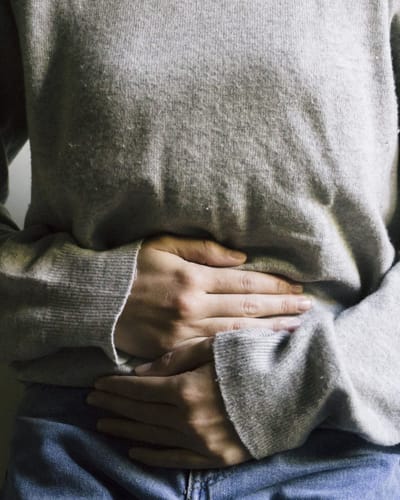
Gut pain bread

Often when people contact me they want to reintroduce bread, but having been off bread for so long they need help to reintroduce bread. This issue of not eating bread and then re introduction is multifaceted, encompassing a range of digestive and systemic symptoms. This article aims to provide a comprehensive understanding of why gluten might be problematic and offer practical steps if you want to reintroduce bread into your diet safely using sourdough to pre-digest the wheat.

The Complexity of Digestive Issues

In the first instance, any digestive issue should be investigated by a medical or healthcare professional. Unfortunately, there are instances where patients feel dismissed by their providers, which can exacerbate anxiety. It’s crucial to understand that conditions like IBS (Irritable Bowel Syndrome) are not a single diagnosis but rather a collection of symptoms such as constipation, gas, bloating, pain, and diarrhoea. These symptoms can create a stress-anxiety feedback loop, further complicating the issue.

Why Fast Fermented Bread Can Exacerbate Symptoms

Undigested gluten in fast-fermented bread, such as those made with commercial yeast, can exacerbate symptoms in individuals with coeliac disease, gluten sensitivity, and related conditions. This is because the rapid fermentation process does not allow sufficient time for the gluten proteins to be broken down. Consequently, these undigested proteins can trigger immune reactions, leading to symptoms such as brain fog, digestive distress, and an overall feeling of being unwell.

The Role of Fermentation in Gluten Digestion

Slow fermentation, of the grain in the sourdough process triggers an enzymatic response that helps break down gluten proteins. During the fermentation process, natural enzymes and beneficial bacteria work on the gluten, partially digesting it. This does not mean that the bread gluten-free, but it does mean that the body receives a “helping hand” in digesting it, as the gluten has been partially broken down before consumption. This can make it easier for individuals with gluten sensitivities to tolerate

The Role of Fermentation in breaking down Carbohydrates

The long fermentation process also allows these microorganisms to pre-digest complex carbohydrates into simpler sugars, which are easier for our bodies to handle. This breakdown includes reducing levels of fermentable oligosaccharides, disaccharides, monosaccharides, and polyols (FODMAPs), which are known to cause bloating and other digestive issues.

The Role of Gut Microbiome and Fibre

A key aspect of digestive health is maintaining a balanced gut microbiome. Avoiding certain foods, such as wheat and fibre which can reduce microbial diversity, leading to further gut dysbiosis. While increasing fibre intake is often recommended, it must be done carefully, as fibre can also be the cause of the symptoms and it can feel like your digestive problems and getting worse. The goal here is to rebuild the gut microbiome gradually,

Reintroducing Gluten: A Step-by-Step Guide
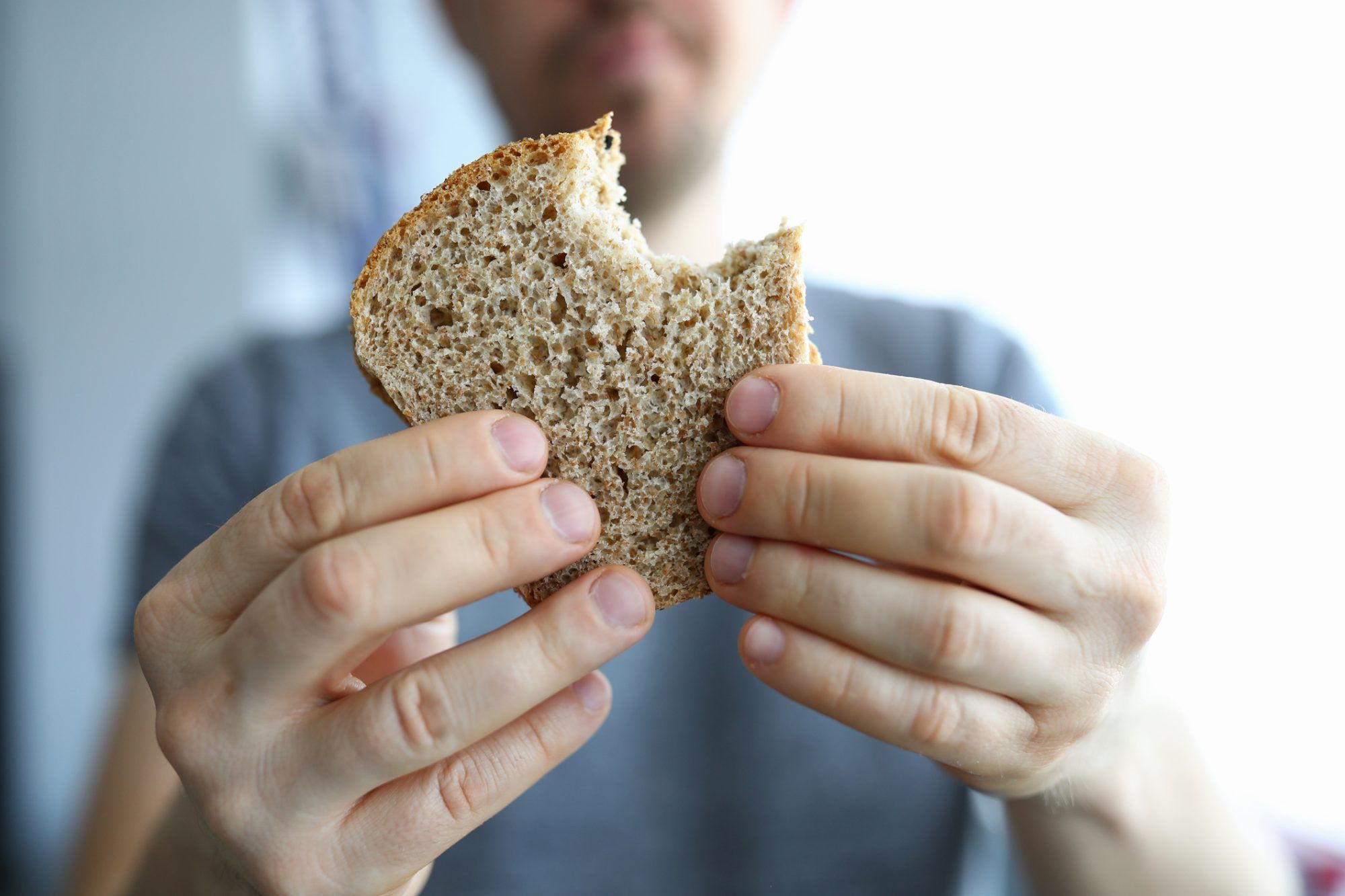
How to Reintroduce Gluten  – A Guide
  1. Start with a long Slow Fermented Whole-Grain Bread:
    • Begin with a homemade whole-grain slow-fermented tin loaf.
    • Allow the loaf to ferment overnight in the fridge before baking. This long fermentation process helps pre-digest some of the FODMAPs (fermentable oligosaccharides, disaccharides, monosaccharides, and polyols) that often cause bloating.
  2. Gradual Reintroduction:
    • Slice the cooled loaf into 10-12 slices and freeze.
    • On the first day, take half a slice and cut it into 4 small pieces. Consume one piece, chewing slowly and mindfully.
    • On the second day, likewise thaw or toast another half slice and consume two small pieces, and on the third day, finish the slice. This gradual approach allows your gut to adapt slowly.
  3. Mindful Eating:
    • Ensure you eat in a relaxed state. Play calming music and focus on chewing thoroughly until the bread becomes liquid this will send a positive message grant it is ok to eat and digest to your digestive system.
    • This practice of staying calm as you eat helps signal your gut that it is safe to digest, reducing stress-related digestive shutdown.
  4. Increase Intake Gradually:
    • After a week of this slow reintroduction, you can begin to consume a whole slice spread over three meals in a day.
    • Continue this for another week before moving on to eating a whole slice at a meal.

Monitoring Symptoms and Seeking Professional Help

If symptoms persist or worsen, document them meticulously, including times, dates, and dietary details. This post has some good information about reintroducing gluten, but my main advice is to present this information to your healthcare provider to ensure your concerns are taken seriously. If necessary, request a referral to a gastroenterologist to rule out serious conditions such as bowel cancer, coeliac disease, diverticulitis, and inflammatory bowel disease.

Red Flags to Watch For and Speak to Your Healthcare Provider About:

  • Unexplained weight loss
  • Blood in stool
  • Severe or persistent abdominal pain
  • Changes in bowel habits lasting more than a few weeks

Some Considerations Beyond Gluten

Sometimes, issues such as Coeliac Disease means you should never reintroduce gluten, however some issues that are attributed to gluten intolerance might actually stem from other conditions such as Small Intestinal Bacterial Overgrowth (SIBO) or histamine intolerance. These conditions require specific approaches and treatments, often best managed with the help of a specialist.

Go slow, Be kind to yourself, and take your time.

Reintroducing gluten into your diet is a gradual process that requires patience and mindfulness. By following these steps and working closely with your healthcare provider, you can manage and potentially overcome gluten sensitivity. Remember, rebuilding your gut health is a journey, and persistence is key.

There are extra resources here on eating bread with IBS and here on Sourdough and IBS – Please share your experiences and insights in the comments section below. I hope this guide provides clarity and support in your journey toward better digestive health.

Kind regards,

Dr Vanessa Kimbell

All reasonable care is taken when writing about health aspects of bread, but the information it contains is not intended to take the place of treatment by a qualified medical practitioner. You must seek professional advice if you are in any doubt about any medical condition. Any application of the ideas and information contained on this website is at the reader's sole discretion and risk.

Learn more about…

The Sourdough
School
Attend a
Sourdough Retreat
Join Proven
Bread Classes
The Sourdough
School Diploma

Never miss a post

Enter your email address


About Dr Vanessa Kimbell

Dr Vanessa Kimbell is acknowledged as one of the world’s foremost authorities on bread and human health — the first person to hold a doctorate in Baking as Lifestyle Medicine and Preventative Healthcare, and the pioneer who, long before gut health became a mainstream concern, first identified the crucial role bread plays in the gut microbiome and mental wellbeing. A fourth-generation baker of Italian descent, she has been baking sourdough since the age of 11, served her traditional apprenticeship in the Dordogne, and is a time-served, French-trained qualified baker who has worked alongside some of the world’s greatest bakers including Richard Hart and Gabriele Bonci. She has spent four decades asking the questions the food industry preferred no one asked: why was industrial mono bread slowly harming us, and what would it take to make bread that genuinely nourishes?

The answer became her life’s work. As founder and Course Director of The Sourdough School in Northamptonshire — a world-renowned centre of research and education — she has taught bakers from over 84 countries, integrated the BALM (Baking as Lifestyle Medicine) Protocol into NHS clinical practice at Bethlem Royal Hospital, and developed Proven Bread: the first bread built on clinical evidence, personalised to the individual through nutrigenetics and gut microbiome assessment. She delivered the Royal College of General Practitioners‘ approved course in the Nutrition of Bread, has been a regular contributor to BBC Radio 4’s Food Programme for many years, and collaborates with leading scientists and clinicians including Professor Tim Spector — who credits her with teaching people to make the healthiest bread in the world — and Professor David Veale. Named the Sourdough Queen by The Telegraph in 2013, her influence reaches far beyond the classroom — from artisan bakers and healthcare professionals to the world’s leading food scientists and multinational food corporations.

A bestselling international author of five books, her sixth — Proven — publishes in November 2026.

More information about Vanessa can be found at
The Sourdough School,
The Sourdough Club,
on Instagram at @SourdoughClub,
@SourdoughSchool and
@vanessakimbell,
on Facebook and
LinkedIn.

Previous Post:Bread Classification: A Framework to determine if bread is healthy or not.
Next Post:The History of Bread in images over 500 Yearsbread history images in The Sourdough School library

Reader Interactions

Leave a Reply Cancel reply

Your email address will not be published. Required fields are marked *


Todays live for diploma students will be on 'How t Todays live for diploma students will be on 'How to engage your patient in the lifestyle changes of the BALM' with @vanessakimbell 

In their 6pm live session, we help keep our students on track with the syllabus and discuss the application of Baking As Lifestyle Medicine to the 6 pillars of Lifestyle medicine, applying the research papers, application of the Research, and how this ties into prescribing, along with guest lecturers, discussions and sharing knowledge.

#lifestylemedicine #health #functionalmedicine #nutrition #integrativemedicine #healthylifestyle #wellness #lifestyle #rcgp #dietitian #nutritionist #healthcareprofessional #holistichealth #healthyliving #plantbased #guthealth #naturopathicmedicine #selfcare #functionalnutrition  #naturopathicdoctor #foodasmedicine #foodismedicine #lifestylegoals #cpd #lifestylechange #mentalhealth #sourdough #sourdoughschool #bakeforhealth
BAKE, ANALYSE, EAT; RECALIBRATE & REPEAT. 📆 The S BAKE, ANALYSE, EAT; RECALIBRATE & REPEAT.

📆 The Sourdough School Clinic - Thursdays 8pm - for students of The Sourdough School 

✏️ In this weekly live session, we cover technical baking questions. Students can submit their Baking Record Sheets in advance of the session.

📋 We look at the details of our student's bakes - the specifics of the flour, timings and temperatures. Using our sourdough record sheets Vanessa will make suggestions on how they might modify, or recalibrate the next time they bake.

Follow the link in the bio to learn more about becoming a student at The Sourdough School 👆

#sourdough #sourdoughschool #bread #sourdoughlove #sourdoughlover #naturalleavened #leavening #levain #realbread #breadmaking #bakebread #makebread #makerealbread #learntobakebread #breadmakingclass #sourdoughstories #bakingforlove #bakingtherapy #sourdoughbaking
IBS AWARENESS MONTH Do you suffer from irritable IBS AWARENESS MONTH

Do you suffer from irritable bowel syndrome (IBS)? It can be tough to deal with the uncomfortable symptoms of stomach cramps, constipation, diarrhoea and bloating. But did you know that making dietary changes, such as incorporating sourdough bread into your diet, could help alleviate some of those symptoms?

Studies have shown that sourdough's long, slow fermentation process can reduce IBS symptoms. Plus, during #ibsawarenessmonth, we're exploring how adding different herbs and spices to your sourdough can further improve both the flavour and the digestion of your bread.

Let's talk about gut health, fermentation, and how sourdough can be a delicious and healthy addition to your diet. Join the conversation and share your experiences with IBS and sourdough.

#guthealth #healyourgut #healthygut #guthealing #guthealthmatters #letfoodbethymedicine #foodasmedicine #gutbrainconnection #nutrientdense #micronutrients #digestivehealth #nutritionfacts #microbiome #breadandguts #ibsawarenessmonth
THE SOURDOUGH SCHOOL – HAND CARVED WOODEN LAME On THE SOURDOUGH SCHOOL – HAND CARVED WOODEN LAME

One of the biggest issues around using a plastic lame to score sourdough, of course, is that eventually the blade will become blunt and the lame could end up in landfill.  So several years ago I talked to my dear friend EJ about developing a lame with a replaceable blade. And he came up with this very beautiful hand carved wooden lame.

Very sadly EJ is no longer with us. Recently a friend of EJ’s who is also a wood turner and carver offered to make these again for us in remembrance of our dear friend.

Follow the link in the bio to our shop where you can find our full selection of wooden sourdough tools 👆

#sourdough #sourdoughschool #bread #sourdoughlove #sourdoughlover #naturalleavened #leavening #levain #realbread #breadmaking #bakebread #makebread #makerealbread #learntobakebread #breadmakingclass #sourdoughstories #bakingforlove #bakingtherapy #sourdoughbaking
The Baking As Lifestyle Medicine (BALM) Protocol The Baking As Lifestyle Medicine (BALM) Protocol

The current food system is broken at multiple levels, from the pesticides used in our soils to the emulsifiers and additives adulterating industrially-processed foods. Nowhere is this more apparent than in the bread we eat.  The figures reported by the UK Flour Millers say that bread is bought by a staggering “99.8% of British households” and that “the equivalent of nearly 11 million loaves are sold each day. Approximately 60-70% of the bread we eat is white and sandwiches are thought to account for 50% of overall bread consumption. Average bread purchases are the equivalent of 60.3 loaves per person per year.” 

Most bread sold is made by modern processing methods that strip heart-healthy whole grains of their nutrient contents, resulting in low-fibre bread with a high glycemic index. Over time, white processed bread can increase a person’s risk of insulin resistance alongside other lifestyle diseases.

We’re on a mission to revolutionise the bread making process at every level – from soil to slice. The rules governing this are laid out in our Baking As Lifestyle Medicine protocol. 

#lifestylemedicine #health #functionalmedicine #nutrition #integrativemedicine #healthylifestyle #wellness #lifestyle #rcgp #dietitian #nutritionist #healthcareprofessional #holistichealth #healthyliving #plantbased #guthealth #naturopathicmedicine #selfcare #functionalnutrition  #naturopathicdoctor #foodasmedicine #foodismedicine #lifestylegoals #cpd #lifestylechange #mentalhealth #sourdough #sourdoughschool #bakeforhealth
Follow on Instagram

About

Email: [email protected]
Tel: +44 (0)7813308301

The Sourdough School Ltd
Registered in England & Wales: 08412236

Terms & Conditions

Privacy Policy

  • Facebook
  • Instagram
  • Pinterest
  • Twitter

Latest Posts

Glyphosate in Oats: Why Organic Matters more for some than others

What is the difference between Ambient and Retarded Sourdough?

Why You Feel Better Eating Bread on Holiday (And How to Fix It at Home)

What is Sourdough? The Complete Guide to Real Sourdough Bread

The Classic Diversity Sourdough Baguettes – Ambient

BANT Member
Lifecode GX

Subscribe

Enter your email address

Search


Terms & Conditions | Competition Terms & Conditions | Privacy Policy
Copyright © 2009–2026 Vanessa Kimbell | Login
Registered in England and Wales: 08412236
Website by Callia Web