WHAT I LEARNED IN THE OLIVE GROVES OF SPAIN
It seems like forever since I last wrote a newsletter. Perhaps I needed a break after more than a year of writing. One expects fireworks to go off when you finish a book, but instead I have found myself needing to rest. I took a few days last month to visit an olive oil grove with an amazing group of people and today I have added some limited edition signed books PROVEN to my website with an invitation to join an online event.
I also the 2027 two-day workshops and five-day retreats for next year. I’m excited about teaching the two-day courses. They are more affordable and we now have the greenhouse built to teach in as a new classroom.
The classes are fully booked until March of 2027, so if you are planning to attend, please do check out the dates. A few days ago, I was asked why there is so often a waiting list. I think one reason is that when students come to the School, we are doing far more than teaching them to bake. It is about understanding and connection. Part of that is getting to know the farmers and producers who grow and make the food we eat. These relationships take time. Understanding how the bread we bake can help change the food system starts with the farmers who grow the grain and mill our flour. Those farmers are key, and so are the people behind the other ingredients. The vanilla we use in the brioche comes from Ndali in Uganda. The spices in the cinnamon buns are from farmers I know in Morocco, and the chocolate I bake with is from Grenada. Even the tea comes from farmers I have picked tea with in India.
THE HARVEST DATE AND THAT PEPPERY CATCH
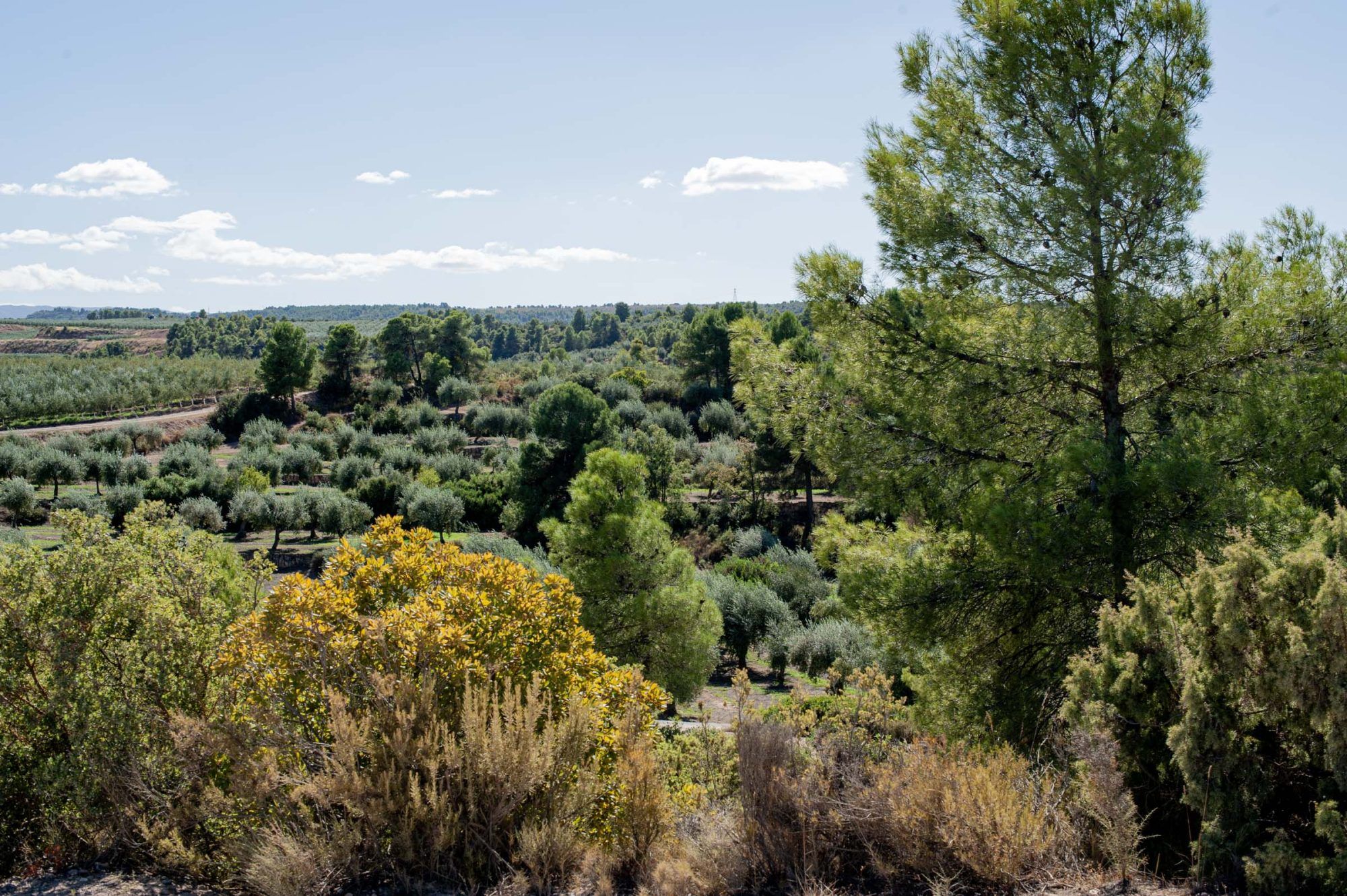
Last week’s visit to L’Albagés in Spain to see the olive groves and meet the family behind the Bona Food olive oil that I use has brought me back to writing, photography and connecting my students to the farmers. Sitting down to write this, I was surprised at three things I learned on the trip.
Ed, the fourth generation of his family to run the estate where the olives are grown, explained that the harvest date can nearly halve the phenols. In one study of Corbella, an old Catalan olive variety, total phenols fell by 49% as the olives ripened—from about 567 to 289 mg/kg. The balance of individual compounds changed too. That’s one variety, not a universal rule, but it shows how much a harvest decision can matter and it is these important polyphenols that matter when it comes to preventative health power.
That peppery catch in your throat is chemistry you can feel. The compound oleocanthal can cause olive oil’s distinctive throat-prickle, sometimes even a cough. Researchers have called these “one cough” or “two cough” oils. It’s a fascinating tasting clue, though it can’t tell you the oil’s full phenolic profile or prove its health effects. The laboratory on the estate tests the batches as they come through.
I was surprised at how many ways I use olive oil in my baking and at my table. I shouldn’t have been, really. After all, olive oil is probably one of the most widely researched ingredients, and I am half Italian. It has been good to get my feet back on the soil and meet the people who grow the ingredients that I recommend. I want my students to connect, to taste exceptional ingredients and learn about the terroir and the people who grow their ingredients, and to understand why I choose to cook and bake with them. This brings together things people often learn separately: the craft of baking, the qualities of an ingredient, how food feels and tastes, and the relationships behind what we eat.
One of the six pillars of lifestyle medicine is positive social connection. For me, that connection includes the people who grow the grain and olives we use. I have spent much of my working life introducing students to farmers. I want them to know what it means to stand in a field or a grove with the people who grow their ingredients, and to see the care that travels from land to mill to kitchen.
THE GROWER CAN TELL YOU WHAT’S BEHIND THE OIL; A BOTTLE LABEL RARELY TELLS THE WHOLE STORY.
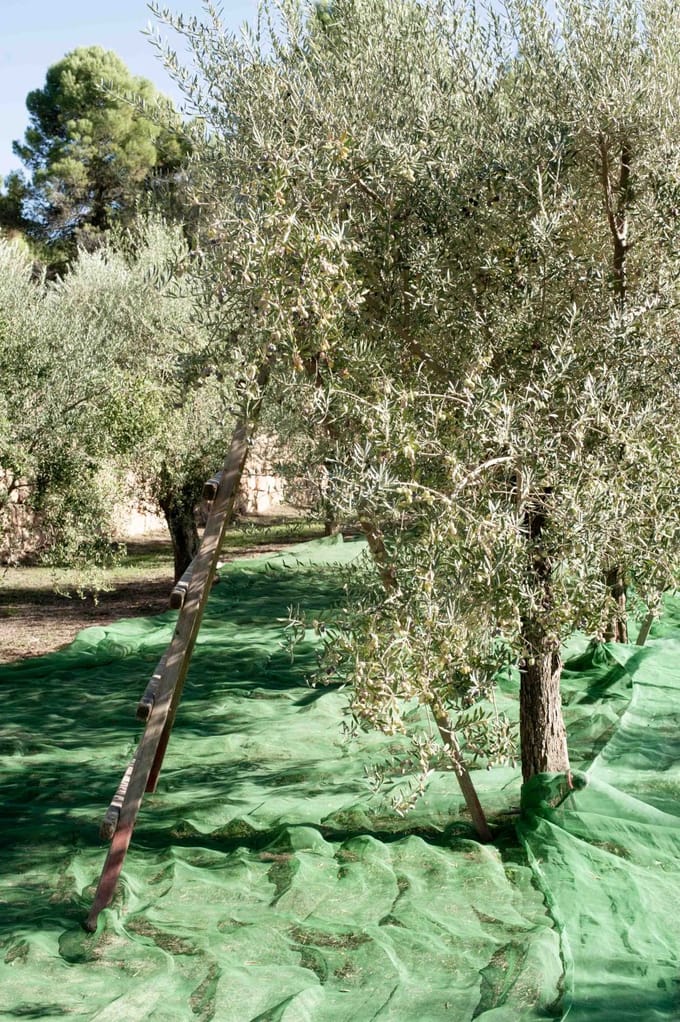
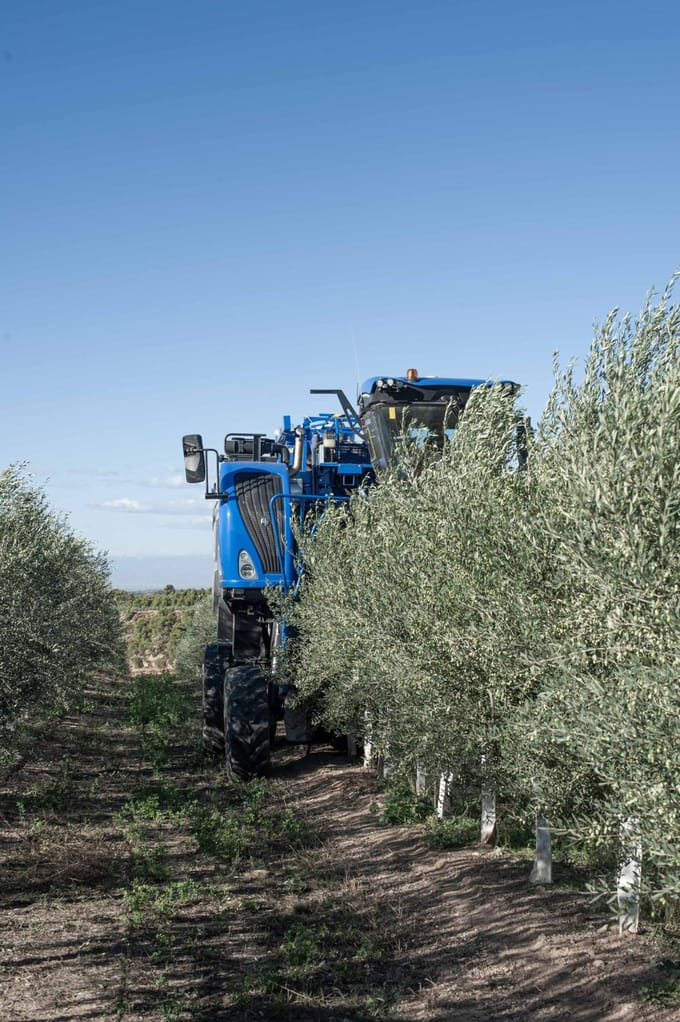
I went to Spain expecting to see extraordinary olives and to spend time with Fynn, who founded Bona Food, and to learn more about olive oil. What stayed with me was the attention to detail: the care, pride and passion behind the work, and the thought that goes into every stage. We visited PONS’s groves and mill near L’Albagés, about half an hour from Lleida, with Fynn and George from Bona Food. Across southern Lleida, the producer has almost half a million trees. The scale made the attention to each decision even more striking.
I owe part of that connection to Dr Federica Amati, the ZOE nutritionist who introduced me to Fynn. I adore Federica, professionally and personally. Her knowledge is extraordinary, and it comes with real generosity. The two days in Spain brought me into the company of people who care deeply about what they grow, make and share. I came home thinking about the people behind an ingredient as much as the ingredient itself.
OLIVE OIL IN MY DOUGH AND AT MY TABLE
Olive oil has always been part of my kitchen. My mother is Italian, and olive oil was the oil I grew up with. I have used extra virgin olive oil in my cooking for as long as I can remember. These days I add a tablespoon to almost every bread I make. Focaccia is the obvious place for it, although a little olive oil has a place in many doughs. When I shape, I rub a little on my hands. Beginners often find that helpful, and my hands benefit too.
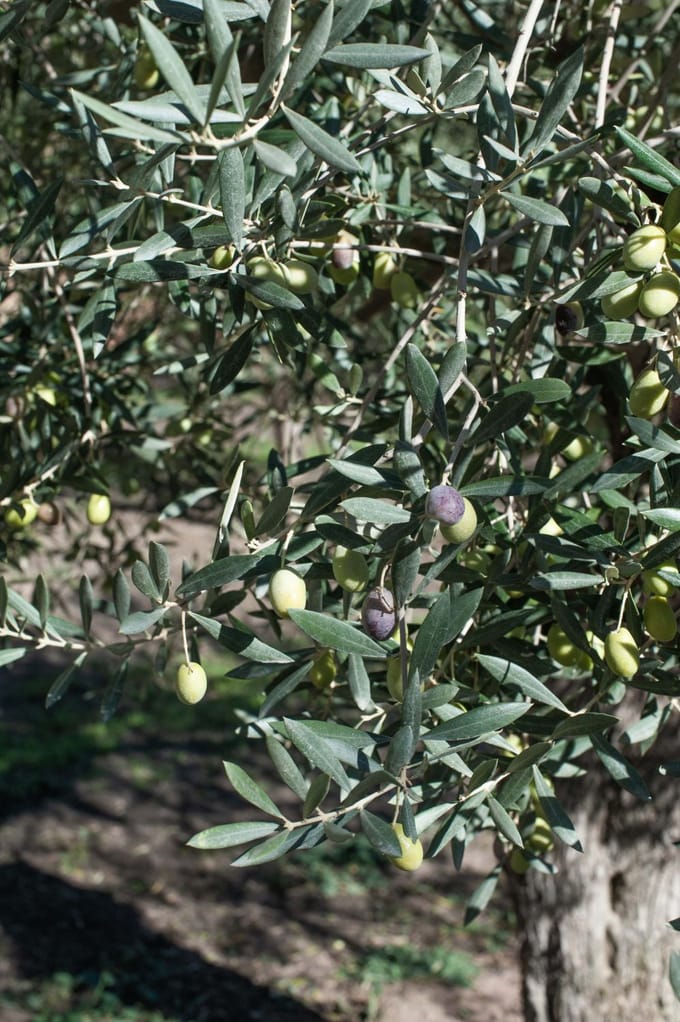
There are olive trees in the garden here at the school, and this is the first year they have ever given us olives. We also use olive leaves in the Meadow Blend flour we make. The olive tree has a remarkable life: it can survive for centuries, and some are believed to be thousands of years old. When I lead a retreat at Castello di Potentino in Tuscany, we are surrounded by olive groves, with vines growing nearby. I feel that same landscape in Sicily and in Spain. The olive trees and the vineyards belong to the same working countryside, and the food brings those places together on the plate.
I use it with cheese as well. Sometimes I strain goat’s yoghurt through muslin to make a simple soft cheese, then finish it with a drizzle of olive oil. I do the same with my Diversity hummus. A good oil can change the simplest food: bread for dipping, a bowl of hummus, a piece of soft cheese.
At home, we dip bread into olive oil and balsamic vinegar. I make my own blackcurrant balsamic, and the flavour is extraordinary: the peppery edge of the oil meeting the sweet acidity of the blackcurrant. Drag a piece of warm, freshly baked bread through it and the bread takes up both flavours. It is one of those small pleasures that make a meal feel complete.
VINAIGRETTE, BREAD AND BLOOD SUGAR
I have seen significant improvements in blood sugar in some of my personalised bread students when we have worked with vinaigrette and the way they eat bread. For me, the combination of vinegar, mustard and olive oil belongs in the practical conversation about carbohydrate, meal sequence and blood-sugar response. We are never substituting this for insulin or prescribed medicine; we are understanding ways of eating that people can explore, with their own response and clinical care in view.
Olive oil is also the base of my salad dressings. We teach a sequence to eating, and I often begin a meal with salad: peppery rocket, perhaps, with a mustard dressing. I might make a French-style dressing, yet in my kitchen I nearly always reach for olive oil. It brings the flavour of my Italian family with it.
WHY THE POLYPHENOLS INTEREST ME
My grandmother had lipoedema, and I have it too. I remain mobile and active, and I have always wondered how much a lifetime of eating extra virgin olive oil has contributed to my own experience. I hold that as a personal belief, formed through the food and habits that have shaped my life. Olive oil has been a constant in that story. I value extra virgin olive oil as part of an anti-inflammatory way of eating. Its phenolic profile interests me, and the measurable polyphenol content Bona Food shares for its oils gives me something tangible to discuss alongside the pleasure of tasting them.
There is more to learn here than a single total-polyphenol number can tell us. Extra virgin olive oil contains a varied group of phenolic compounds, including hydroxytyrosol-related compounds, oleuropein derivatives and oleocanthal. Their levels and balance vary with olive variety, growing conditions, harvest and milling. Some compounds are studied for antioxidant activity, and others for different biological actions, including possible cardiovascular effects. Those categories are not cleanly separate, and much of the evidence for individual compounds is still at an early stage. The mill is beginning to investigate the quality and composition of the phenols in its oils and what future research might tell us. I find that work fascinating, while being careful not to turn emerging research into a claim that a particular oil prevents disease.
CHOOSING AN OLIVE OIL FOR MY KITCHEN
I admire the way Fynn and his family have worked to bring this oil to the UK. The packaging is thoughtful as well as beautiful: the pouch and dispenser are designed to limit the oil’s exposure to air and light once opened, helping it stay fresh in an everyday kitchen. I want a good extra virgin olive oil to be part of daily life. It belongs in bread, in salads, beside cheese and on the table.
I have a good relationship with another olive oil producer, Pomora, whose work with farmers in Sicily has a very different character. The oil is beautiful, and the connection to the growers matters to me. I am happy to value both approaches. They remind me that there are many ways for food to bring us closer to the people and places that make it.
A bottle chosen at random can still taste good. Knowing who grew the olives, seeing where they grew and understanding how the oil was made gives me a different relationship with what I pour. That relationship changes the way I teach people to bake, eat and share bread. Olive oil is part of that everyday practice, and after this visit I feel even more strongly that it belongs on the table.

 New 2027 Courses
Leave a Reply