• Skip to main content
  • Skip to after header navigation
  • Skip to site footer

The Sourdough School Magazine

How to fix your relationship with bread by Dr Vanessa Kimbell

The Sourdough School Magazine

For in person courses, consultations and training in BALM visit The Sourdough School, or book a 1:1 meeting to get your bread personalised.

WhatsApp
[email protected]
Follow on Instagram

  • Facebook
  • Instagram
  • Pinterest
  • Twitter
  • WhatsApp
Book Your In Person Sourdough Course
Subscribe to our newsletter

.

  • About
    • Get in Touch
    • The School
    • Podcast on Apple
    • Podcast on Spotify
    • Dr Kimbell
    • What is Baking as Lifestyle Medicine?
    • Evidence Based
  • Courses
    • Online Diploma
    • Workshops
    • Baking Retreats
    • Personalised Bread Assessments
  • Baking
    • Recipes
    • Sourdough Ingredients
    • Books by Dr Kimbell
    • Sourdough Hydration Calculator
    • The Glossary
  • Bread & Health
    • Bread Health Calculator
    • Bread & Nutrition
    • Bread & Gut Health
    • Bread Matters
  • Flour
    • Flours from Farmers Directory
    • Add Farmer to the Directory
    • British Artisan Flour Mills by Region
  • Resources
    • Equipment advice pages
    • Sourdough Baking Equipment
    • Research papers
Heath Care Providers: Training In Prescribing Baking As Lifestyle Medicine

Is sourdough the healthiest bread for the gut microbiome?

13 January 2021 by Dr Vanessa Kimbell

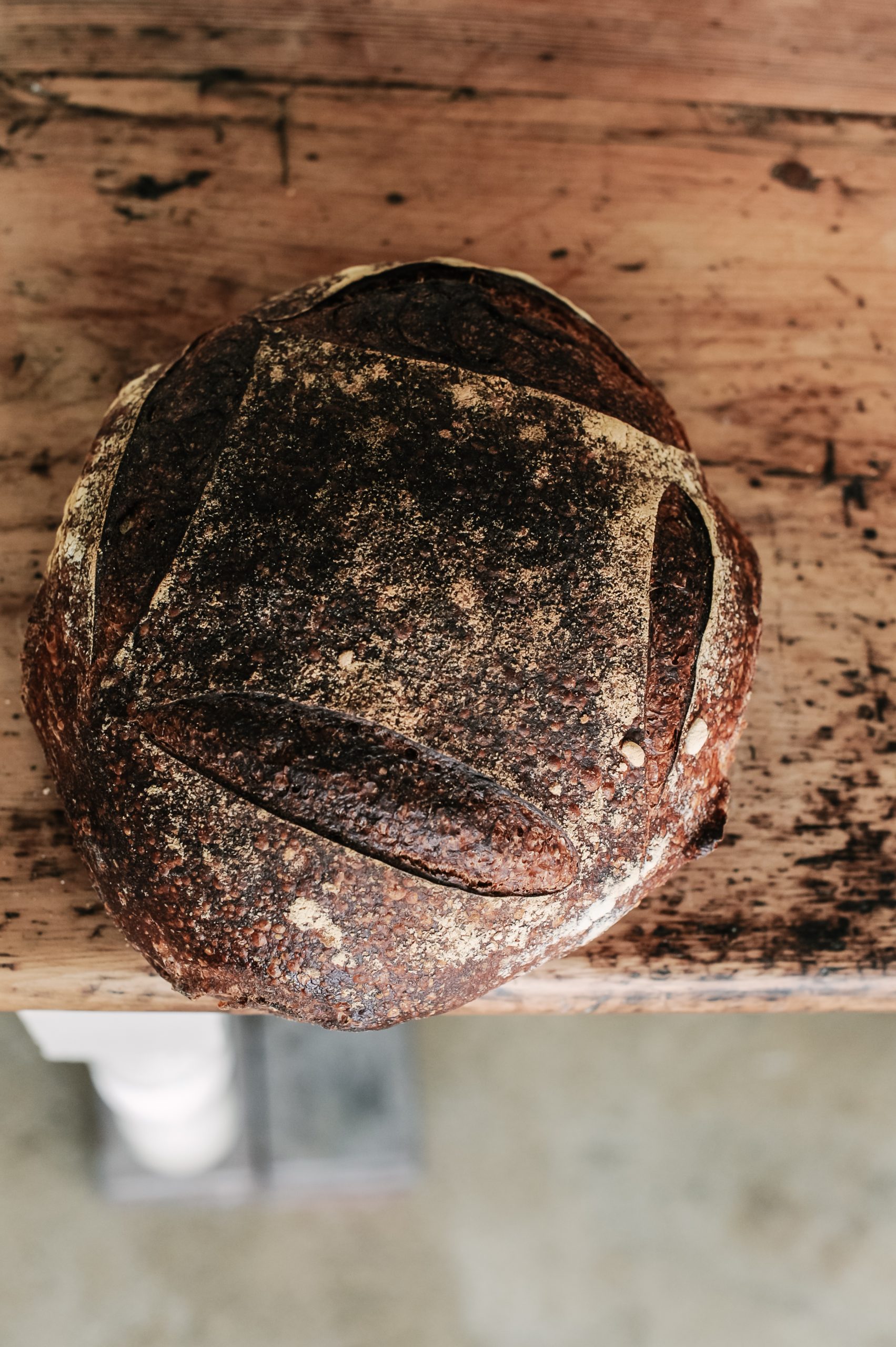
Large baked sourdough

We often get asked if sourdough is the healthiest bread for the gut microbiome?

One of our main focuses at The Sourdough School is baking bread that nourishes, with a particular focus on nurturing the positive microbes in the gut.

Our approach to baking has never been more relevant, especially as a study published in the past 24 hours has demonstrated that the composition of the gut microbiome affects the way our bodies respond to Covid. Interestingly, Tim Spector and the ZOE team’s PREDICT 1 study, also out this week, concurs that you can affect the balance of the positive bacteria in your gut through healthy food choices.

Our approach at the school is backed by years of research by Vanessa and the team and is about increasing diversity and eating symbiotically to help support the beneficial bacteria in the gut. Sourdough baking is a rhythm that can easily be fitted into our lives, but it also gives us time to incorporate other healthy lifestyle choices into our daily routine. This is a guide to help you do just that.

When you eat, you’re not just eating for yourself, but for the trillions of microbes in your gut as well. We are symbiotic. In recent years, we’ve really started to understand how this symbiotic relationship between ourselves and our gut microbes can affect our health. One of the things that amazed me when I started researching nutrition and digestibility of bread was the work of the Human Genome Project. I remember being excited by this because I wondered if genetics could be responsible for many of the digestive issues I was having at the time. We’ve since discovered that less than 20% of diseases are based on genetics. This means that 80% of diseases are determined by your lifestyle and your environment: they are the sum total of the day-to-day actions you take during your lifetime.

From this, I understood that the bread we eat every day is part of our health destiny. I wasn’t a victim of the genetics I was born with, but rather the victim of massive overuse of antibiotics. This discovery left me empowered to make the right lifestyle choices for my own health. These choices are everyday actions which build up over a lifetime to influence our health, the way we feel and the way we see the world. Ultimately, baking our own bread every day helps to put us in control of our own health destiny.

Sourdough is a part of the jigsaw puzzle. There are, of course, other factors that contribute towards looking after your gut bacteria. And while baking slow-fermented bread with wholegrain or diversity blends is good, simply eating sourdough is not enough. Alongside baking bread there are other things that we can do as part of our regular routine to maximise the health benefits of sourdough.

Use the baking schedule as an opportunity to get outside and exercise

I try to fit in some exercise every day. If you look at the Sourdough Schedule, you can see that there are opportunities to exercise. This could be while you’re waiting for your leaven to be ready or for your dough to prove during the bulk fermentation. Choose a form of exercise that you enjoy. It can be something very gentle, like a walk outside, or something more vigorous. The important thing is we know that people who exercise two or three times a week have more diverse gut bacteria than those who don’t. In addition, walking increases your rate of digestion, which means your digestive transit works faster, which is good for you.

Gather your ingredients from the garden

Another small activity which we encourage here at the School is getting outdoors and connecting with the soil. Again, we know that if you can get outside and grow some of your own vegetables or forage for ingredients this is beneficial. We know that gardening and, more generally, spending time in the countryside can be a positive step for increasing gut microbial diversity.

Avoid antibacterials

I realise that we need to be vigilant against COVID,  but being overly hygienic can remove the natural microbiome on your skin. Like the gut microbiome, these microbes have evolved alongside us and are important in helping protect against skin disorders and infections. Here at The Sourdough School, we have developed our own gentle soap in collaboration with The Raw Soap Company. I think being too hygienic can kill off the beneficial microbes on your hands, so we don’t use antibacterial or antimicrobial detergents unless you have no alternative. Soap and water is preferable. There are studies which show that being exposed to a bit of dirt is actually good for us, rather than being a health risk.

Schedule mealtimes

Another thing you can do to help your gut microbiome is to keep regular mealtimes. We know that our bodies follow a circadian rhythm. There is benefit in maintaining regular mealtimes because the microbes in our gut seem to follow that same circadian rhythm. There is also some evidence that regular periods of fasting can beneficially shape the composition of your gut microbiome.

Adopt a dog

Yes, funny as it might sound, there is evidence that people who own a dog have a more diverse skin microbiome. There’s also a study suggesting that babies growing in homes with furry pets have a more robust microbiome than those who don’t.

And when you do get that dog, you can try baking these Chicken, Spelt & Watercress Sourdough Dog Biscuits for them.

Incorporate live bacteria

Perhaps the fastest way to bolster your gut bacteria is to take a probiotic supplement. Many supplements are unproven, so here at The Sourdough School we recommend Symprove, which is a water-based food supplement with live and active bacteria. Probiotics essentially help improve the landscape of the digestive tract. I tend to think of them as a temporary fix, because the majority of these probiotic bacteria can’t take up residence in the gut, which doesn’t have the right environment for them to thrive. But while they are in your gut, you can still benefit from them. In addition, there is a suggestion that the probiotic bacteria may have a prebiotic action, allowing your own gut microbes to thrive through feeding on them.

Although we don’t yet have a definitive answer as to exactly how each of these probiotic bacteria benefit the gut microbiome, we do know that many of them have a positive impact on health. Eating your sourdough accompanied by foods containing live bacteria is another way of including probiotics in your diet. Things like sauerkraut, kefir, cultured butter and yogurt are all easy to make and can be enjoyed with home-baked sourdough.

Make your bread mindfully

The last thing I recommend is to use your time making bread to be mindful and maintain a sense of calm. Get your fingers into the dough and pay attention to the sensations of the moment. There are many studies which link disruption to the gut microbiome with anxiety, but this effect can work both ways, and stress has been shown to create changes in the way the gut microbes function. We know that, for example, high levels of cortisol will reduce levels of Bifidobacterium. So, connect with your dough, take time to relax and focus on the moment.

All reasonable care is taken when writing about health aspects of bread, but the information it contains is not intended to take the place of treatment by a qualified medical practitioner. You must seek professional advice if you are in any doubt about any medical condition. Any application of the ideas and information contained on this website is at the reader's sole discretion and risk.

Learn more about…

The Sourdough
School
Attend a
Sourdough Retreat
Join Proven
Bread Classes
The Sourdough
School Diploma

Never miss a post

Enter your email address


About Dr Vanessa Kimbell

Dr Vanessa Kimbell is acknowledged as one of the world’s foremost authorities on bread and human health — the first person to hold a doctorate in Baking as Lifestyle Medicine and Preventative Healthcare, and the pioneer who, long before gut health became a mainstream concern, first identified the crucial role bread plays in the gut microbiome and mental wellbeing. A fourth-generation baker of Italian descent, she has been baking sourdough since the age of 11, served her traditional apprenticeship in the Dordogne, and is a time-served, French-trained qualified baker who has worked alongside some of the world’s greatest bakers including Richard Hart and Gabriele Bonci. She has spent four decades asking the questions the food industry preferred no one asked: why was industrial mono bread slowly harming us, and what would it take to make bread that genuinely nourishes?

The answer became her life’s work. As founder and Course Director of The Sourdough School in Northamptonshire — a world-renowned centre of research and education — she has taught bakers from over 84 countries, integrated the BALM (Baking as Lifestyle Medicine) Protocol into NHS clinical practice at Bethlem Royal Hospital, and developed Proven Bread: the first bread built on clinical evidence, personalised to the individual through nutrigenetics and gut microbiome assessment. She delivered the Royal College of General Practitioners‘ approved course in the Nutrition of Bread, has been a regular contributor to BBC Radio 4’s Food Programme for many years, and collaborates with leading scientists and clinicians including Professor Tim Spector — who credits her with teaching people to make the healthiest bread in the world — and Professor David Veale. Named the Sourdough Queen by The Telegraph in 2013, her influence reaches far beyond the classroom — from artisan bakers and healthcare professionals to the world’s leading food scientists and multinational food corporations.

A bestselling international author of five books, her sixth — Proven — publishes in November 2026.

More information about Vanessa can be found at
The Sourdough School,
The Sourdough Club,
on Instagram at @SourdoughClub,
@SourdoughSchool and
@vanessakimbell,
on Facebook and
LinkedIn.

Previous Post:Is Gluten Bad? The Gluten Myth: an extract from Spoon-Fed by Tim Spector
Next Post:How much bread can I eat per week?how much bread can I eat per week?

Reader Interactions

Comments

  1. Diana Binnes

    14 January 2021 at 7:29 pm

    Do the beneficial gut bacteria in sourdough survive being baked in the oven.?

    Reply
    • Vanessa Kimbell

      18 January 2021 at 3:44 pm

      Hi Diana, thank you for your question. The good (probiotic) bacteria in the sourdough starter, and dough are vital for the process of fermentation to take place. The fermentation process gives ‘rise’ to the bread and increases the digestibility and nutritional value of the bread. This is how sourdough becomes the ‘healthiest bread’.

      These good bacteria will be destroyed by the heat process of baking the bread, however the bread itself then becomes a prebiotic – this is effectively ‘food’ for many different good bacteria found in the gut, and so nourishes and strengthens the gut.

      Reply
      • Linda

        29 January 2021 at 9:27 am

        I sometimes read that people who accidentally lose their starter, manage to create an active starter within 24 hours by crumbling some of their sourdough bread into flour and water and it gets going again. So that makes me think there might still be some bacterial activity. It would be interesting to experiment with that.

        Reply
        • Vanessa Kimbell

          29 January 2021 at 10:24 am

          Hi Linda, bread is been baked at very high temperatures so expect nothing live of the starter left.

          Reply

Leave a Reply Cancel reply

Your email address will not be published. Required fields are marked *


Todays live for diploma students will be on 'How t Todays live for diploma students will be on 'How to engage your patient in the lifestyle changes of the BALM' with @vanessakimbell 

In their 6pm live session, we help keep our students on track with the syllabus and discuss the application of Baking As Lifestyle Medicine to the 6 pillars of Lifestyle medicine, applying the research papers, application of the Research, and how this ties into prescribing, along with guest lecturers, discussions and sharing knowledge.

#lifestylemedicine #health #functionalmedicine #nutrition #integrativemedicine #healthylifestyle #wellness #lifestyle #rcgp #dietitian #nutritionist #healthcareprofessional #holistichealth #healthyliving #plantbased #guthealth #naturopathicmedicine #selfcare #functionalnutrition  #naturopathicdoctor #foodasmedicine #foodismedicine #lifestylegoals #cpd #lifestylechange #mentalhealth #sourdough #sourdoughschool #bakeforhealth
BAKE, ANALYSE, EAT; RECALIBRATE & REPEAT. 📆 The S BAKE, ANALYSE, EAT; RECALIBRATE & REPEAT.

📆 The Sourdough School Clinic - Thursdays 8pm - for students of The Sourdough School 

✏️ In this weekly live session, we cover technical baking questions. Students can submit their Baking Record Sheets in advance of the session.

📋 We look at the details of our student's bakes - the specifics of the flour, timings and temperatures. Using our sourdough record sheets Vanessa will make suggestions on how they might modify, or recalibrate the next time they bake.

Follow the link in the bio to learn more about becoming a student at The Sourdough School 👆

#sourdough #sourdoughschool #bread #sourdoughlove #sourdoughlover #naturalleavened #leavening #levain #realbread #breadmaking #bakebread #makebread #makerealbread #learntobakebread #breadmakingclass #sourdoughstories #bakingforlove #bakingtherapy #sourdoughbaking
IBS AWARENESS MONTH Do you suffer from irritable IBS AWARENESS MONTH

Do you suffer from irritable bowel syndrome (IBS)? It can be tough to deal with the uncomfortable symptoms of stomach cramps, constipation, diarrhoea and bloating. But did you know that making dietary changes, such as incorporating sourdough bread into your diet, could help alleviate some of those symptoms?

Studies have shown that sourdough's long, slow fermentation process can reduce IBS symptoms. Plus, during #ibsawarenessmonth, we're exploring how adding different herbs and spices to your sourdough can further improve both the flavour and the digestion of your bread.

Let's talk about gut health, fermentation, and how sourdough can be a delicious and healthy addition to your diet. Join the conversation and share your experiences with IBS and sourdough.

#guthealth #healyourgut #healthygut #guthealing #guthealthmatters #letfoodbethymedicine #foodasmedicine #gutbrainconnection #nutrientdense #micronutrients #digestivehealth #nutritionfacts #microbiome #breadandguts #ibsawarenessmonth
THE SOURDOUGH SCHOOL – HAND CARVED WOODEN LAME On THE SOURDOUGH SCHOOL – HAND CARVED WOODEN LAME

One of the biggest issues around using a plastic lame to score sourdough, of course, is that eventually the blade will become blunt and the lame could end up in landfill.  So several years ago I talked to my dear friend EJ about developing a lame with a replaceable blade. And he came up with this very beautiful hand carved wooden lame.

Very sadly EJ is no longer with us. Recently a friend of EJ’s who is also a wood turner and carver offered to make these again for us in remembrance of our dear friend.

Follow the link in the bio to our shop where you can find our full selection of wooden sourdough tools 👆

#sourdough #sourdoughschool #bread #sourdoughlove #sourdoughlover #naturalleavened #leavening #levain #realbread #breadmaking #bakebread #makebread #makerealbread #learntobakebread #breadmakingclass #sourdoughstories #bakingforlove #bakingtherapy #sourdoughbaking
The Baking As Lifestyle Medicine (BALM) Protocol The Baking As Lifestyle Medicine (BALM) Protocol

The current food system is broken at multiple levels, from the pesticides used in our soils to the emulsifiers and additives adulterating industrially-processed foods. Nowhere is this more apparent than in the bread we eat.  The figures reported by the UK Flour Millers say that bread is bought by a staggering “99.8% of British households” and that “the equivalent of nearly 11 million loaves are sold each day. Approximately 60-70% of the bread we eat is white and sandwiches are thought to account for 50% of overall bread consumption. Average bread purchases are the equivalent of 60.3 loaves per person per year.” 

Most bread sold is made by modern processing methods that strip heart-healthy whole grains of their nutrient contents, resulting in low-fibre bread with a high glycemic index. Over time, white processed bread can increase a person’s risk of insulin resistance alongside other lifestyle diseases.

We’re on a mission to revolutionise the bread making process at every level – from soil to slice. The rules governing this are laid out in our Baking As Lifestyle Medicine protocol. 

#lifestylemedicine #health #functionalmedicine #nutrition #integrativemedicine #healthylifestyle #wellness #lifestyle #rcgp #dietitian #nutritionist #healthcareprofessional #holistichealth #healthyliving #plantbased #guthealth #naturopathicmedicine #selfcare #functionalnutrition  #naturopathicdoctor #foodasmedicine #foodismedicine #lifestylegoals #cpd #lifestylechange #mentalhealth #sourdough #sourdoughschool #bakeforhealth
Follow on Instagram

About

Email: [email protected]
Tel: +44 (0)7813308301

The Sourdough School Ltd
Registered in England & Wales: 08412236

Terms & Conditions

Privacy Policy

  • Facebook
  • Instagram
  • Pinterest
  • Twitter

Latest Posts

Glyphosate in Oats: Why Organic Matters more for some than others

What is the difference between Ambient and Retarded Sourdough?

Why You Feel Better Eating Bread on Holiday (And How to Fix It at Home)

What is Sourdough? The Complete Guide to Real Sourdough Bread

The Classic Diversity Sourdough Baguettes – Ambient

BANT Member
Lifecode GX

Subscribe

Enter your email address

Search


Terms & Conditions | Competition Terms & Conditions | Privacy Policy
Copyright © 2009–2026 Vanessa Kimbell | Login
Registered in England and Wales: 08412236
Website by Callia Web