What is Sourdough?
The legal definition of sourdough in the UK remains ambiguous — and industrial producers have exploited this. Most of what’s sold as ‘sourdough’ today is not what I would consider real sourdough at all. Industrial sourdough perpetuates a disconnection — from the living cultures that transform flour, from the time that fermentation requires, from the relationship between what we eat and how we feel. Today I’m going to explain what real sourdough actually is, share my definition and explain more about why a definition matters.
Why does a definition matter? It matters clinically as well as culturally. When people tell me “bread doesn’t suit me,” they are often reacting to bread that has not undergone this transformation. Their gut is being asked to do work the fermentation should have done. My definition of sourdough reframes the “I can’t digest bread” problem away from bread itself and towards process, grain quality, and biological readiness.
It also matters because it protects language. If sourdough or fermented bread is defined only by flavour, leavening, or cultures, then anything can claim the name. The definition of sourdough bread needs to be an observable biological change rather than marketing description. So in creating a definition of sourdough bread we have a defensible distinction between bread that just looks fermented and bread that really is transformed and this behaves differently in the body.
Once you have an agreed definition if means that people can choose, make, and eat bread with intention rather than by being fooled by marketing and cheap partial sourdough without fear.
When bread was connected naturally there was no need for a definition.
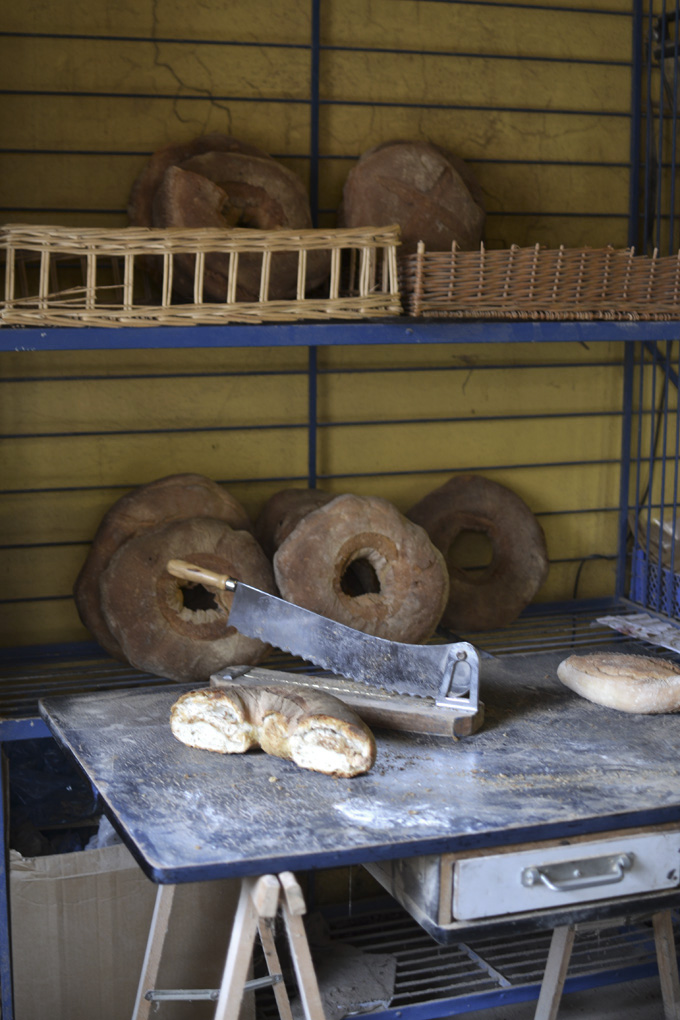
I remember the moment I first ate sourdough bread. It wasn’t even called sourdough — it was called Pain de Levain. It was 1980 and I was 9 years old. We’d been driving for 14 hours and we arrived at the restaurant in the dark on a late spring evening. I was hungry, and as we walked into this rural French village restaurant the buzz of conversation stopped so abruptly it was as though someone had turned the volume off using a remote control. I remember sitting at the table, and Gabi, the owner of the restaurant, putting a basket of the most beautiful rustic, crusty bread into the middle of the table unbidden. Slowly the conversation around us returned to normal levels and my mother passed me a piece of sourdough bread.
We’d stopped for a picnic around Chateauroux and I’d climbed a tree climbed a tree whilst parents put lunch out. I have a vivid memory of thinking how much the crusts looked much like bark from the tree I’d climbed. To my wondrous eyes the bread seemed to be alive. The inside was sticky and voluptuous and creamy. It was so different from the square white bread I was fed at school that I found myself mesmerised by the texture, the smell, the flavour and the way the French clientele of the restaurant tore it apart to eat with their food. This was bread that had been made in the village bakery I would later work in, and it was baked in a wood-fired oven, using oak gathered from the woods and made with local flour, from wheat that was grown in the fields surrounding the village. We ate it with French onion soup, or rather just onion soup… that had been made that morning by Angelic — as every soup du jour was. It took me another four decades of baking, and eventually a doctorate researching bread and gut health, to fully understand sourdough. Even now, after a lifetime of working with bread, I remember that magical feeling of gratitude, anticipation and wonder as that basket of bread set me on a path that has transformed not just how I make bread, but how I think about the relationship between fermentation, our gut, and our wellbeing.
My love of sourdough began age 9, and by age 11 I was helping make the bread in the village bakery.
What is Real Sourdough?
Growing up every holiday for my whole childhood in rural Dordogne in the early 1980s created a foundation for my work today. There was unlimited freedom, and with was remarkable was that this was a place that had not yet been touched by industrialisation. The baker knew the miller, the miller knew the farmers, the wood for the oven came from the surrounding woods. Everything was connected. I didn’t realise it at the time, but I was living inside a food system that most people alive today have never experienced. I lived this before it was broken — and perhaps that’s why I understand so clearly, and why I have felt the repercussions of what we have lost so acutely.
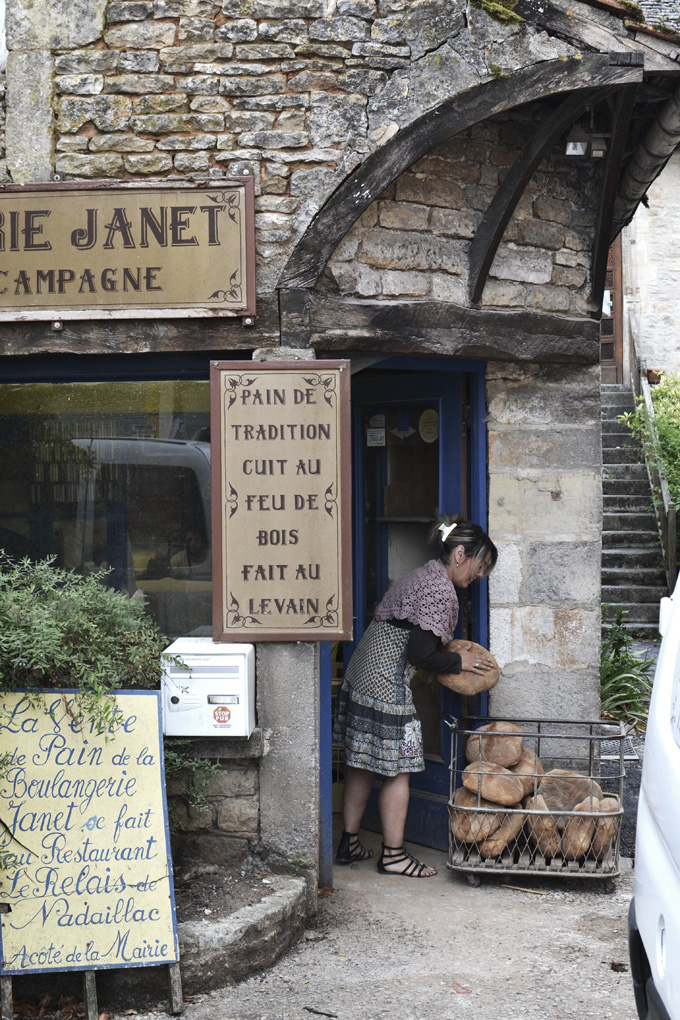
Sourdough, was not even called sourdough. It was just called bread. As you can see picture above the bakery sign just said fair ua levain. This was the French was of saying sourdough and it is the oldest way of making bread — a method that humans have used for at least six thousand years. At its heart, it’s remarkably simple: flour, water, and salt, fermented using naturally occurring wild yeasts and lactic acid bacteria rather than commercial baker’s yeast.
Before commercial yeast was isolated in the nineteenth century, this was simply how all leavened bread was made in France. Every culture that baked bread made it this way, nurturing living cultures that were passed down through generations. The French call it levain, Italians say lievito madre or lievito naturale, Germans know it as sauerteig, in Denmark it’s surdej, the Spanish call it masa madre, and Russians say zakvaska. Different names, same ancient process. In the UK we used beer balm, but it was a similar process.
Perhaps the confusion is that Sourdough is both a verb and a noun — we use it to describe the process of fermenting flour and water, and as the name for the bread itself. There’s no concreate legal definition of sourdough in the UK, which causes problems I’ll come to shortly – there are guidelines. Here is my definition of sourdough “ Bread made with a naturally occurring community of symbiotic live cultures and wild yeast, given the time to naturally ferment the dough, producing bread where the flour has had time to genuinely transform through fermentation. That transformation includes the action of the flour’s own enzymes, naturally present in wholegrain flour — activated by time, hydration and acidity — working alongside the microbes to change the dough in a way you can taste, feel, and digest.”
To make real sourdough, bakers culture and nurture a colony of symbiotic microbes — lactic acid bacteria and wild yeast living together in a delicate balance. These microorganisms are naturally present in flour and in the environment around us. We call this living culture a starter, and it’s what makes the bread rise, develops flavour, and creates the health benefits that have made sourdough so interesting to researchers studying the microbiome.
What’s the Difference Between Real Sourdough and Fake Sourdough?
This is something I feel strongly about, because so many people are being misled. The key differences between real sourdough and commercially produced industrial bread come down to three things: the bacteria, the yeast, and crucially, the time.
The Bacteria
Real sourdough is fermented by lactic acid bacteria, which produce two types of acid — lactic acid and acetic acid. It’s the combination of different bacterial strains and the production of these acids that gives sourdough its characteristic tang. But more importantly, these acids drive the transformation of the bread’s nutritional profile in ways that industrial processes simply cannot replicate.
The Yeast
The yeast in sourdough is wild — there are many different strains working together in any healthy starter. Commercial baking, by contrast, uses just three strains of Saccharomyces cerevisiae, selected for speed and reliability rather than complexity or nutritional benefit.
The Time
This is perhaps the most important difference. The Chorleywood process used in industrial baking can produce a loaf in under an hour — some factory methods take just forty-five minutes from flour to wrapped bread. Real sourdough takes between eighteen and thirty-six hours, depending on the baker’s approach. During those long hours, the microorganisms are transforming the dough in ways that simply cannot happen in sixty minutes, no matter what enzymes or additives you throw at it.
Why Does It Matter If Your Sourdough Is Real?
When someone buys a “sourdough flavoured” loaf thinking they’re getting the real thing, they’ve been misled into purchasing an inferior product. The long, slow fermentation is transformative on multiple levels — and those transformations simply don’t happen in fast-risen bread with a bit of sourdough powder added for marketing purposes.
Flavour
The flavour difference between real and fake sourdough is immediately apparent to anyone who tastes them side by side. Real sourdough develops extraordinary complexity during fermentation — researchers have identified 196 volatile compounds in sourdough bread, including 43 aldehydes, 35 alcohols, and 33 esters. These are the molecules responsible for those deep, layered flavours that develop as you chew: wheaty, slightly acidic, sometimes nutty or floral depending on the flour. Industrial bread, by contrast, is designed to be soft and inoffensive — to disappear in your mouth rather than reward your attention.
Vitamins and Minerals
During the long fermentation process, something remarkable happens to the nutrients in flour. Grains contain phytic acid, which binds to minerals like iron, zinc, and magnesium and prevents our bodies from absorbing them. The organic acids produced by lactic acid bacteria break down this phytic acid, releasing those minerals so they become bioavailable — meaning our bodies can actually use them. Research has shown that sourdough fermentation is significantly more efficient than yeast fermentation in reducing phytate content — up to 62% reduction compared to 38% with yeast alone. In real sourdough, almost all the vitamins and minerals in the flour become significantly more accessible. Fast-risen bread simply doesn’t have time for this transformation to occur.
Sourdough and Digestive Health
One of the most common things I hear from people is that they’ve given up bread because it doesn’t agree with them. What’s interesting is that many of these same people find they can eat real sourdough without any problems. The research is beginning to explain why.
IBS and FODMAPs
Around one in five people suffer from irritable bowel syndrome, and many are affected by FODMAPs — fermentable carbohydrates that can cause pain, bloating, and digestive discomfort. Studies have shown that long, slow fermentation significantly reduces the FODMAP content of bread. For many people with IBS, this means they can eat real sourdough without the symptoms that conventional bread triggers. It’s not that they can’t eat bread — it’s that they can’t eat bread that hasn’t been properly fermented.
Blood Sugar Management
This is an area that particularly interests me. A systematic review of clinical trials has shown that the rate at which we absorb carbohydrates from sourdough is significantly slower compared to yeasted bread. The organic acids produced during fermentation appear to moderate the glycaemic response, meaning your blood sugar rises more gently and doesn’t spike in the way it does with industrial bread. For anyone managing diabetes or pre-diabetes, or simply wanting to avoid the energy crashes that come with blood sugar spikes, this matters enormously.
Non-Coeliac Gluten Sensitivity
During fermentation, the bacteria partially digest gluten proteins, breaking them down into smaller, potentially less problematic fragments. I want to be clear: sourdough is not safe for people with coeliac disease. But for those with non-coeliac gluten sensitivity — people who react to conventional bread but don’t have coeliac disease — long-fermented sourdough may be more tolerable. This is an active area of research, and the early findings are genuinely exciting.
Long-Term Health Benefits
Beyond the immediate digestive benefits, there’s growing evidence that eating real sourdough regularly may have longer-term effects on our health.
Gut Health
During fermentation, lactic acid bacteria produce compounds called postbiotics — beneficial substances that can support our gut microbiome even though the bacteria themselves are killed during baking. Research published in Frontiers in Microbiology has shown that sourdough bread consumption can increase beneficial gut bacteria including Akkermansia, Bifidobacterium, and Lactobacillus. In my own clinical research, I found that participants who ate properly fermented sourdough for six weeks showed measurable improvements in their gut microbiome — every single one of them. We’re still learning exactly how this works, but the connection between fermented foods and gut health is becoming increasingly clear.
Mental Wellbeing
Perhaps the most surprising finding from my own research was that eighty-nine percent of participants reported improvements in mental health measures after six weeks of eating the BALM sourdough. The gut-brain axis — the two-way communication between our digestive system and our brain — is one of the most fascinating areas of current research. What we eat affects how we feel, and bread that has been properly fermented may have a role to play in supporting mental wellbeing. We need more research like this. My own work is a small example, but we need some serious investment into this to truly understand and value bread.
Satiety
My Proven bread is often reported, like wholegrain sourdough to keep you feeling full for longer. The complex carbohydrates, the fibre that remains intact, the slower release of energy — all of this means you’re less likely to be reaching for snacks an hour after eating. Industrial bread, with its rapid blood sugar spike and crash, often leaves people feeling hungry again surprisingly quickly. Good bread should sustain you, and real sourdough does.
How to Tell If Your Sourdough Is Real
Gien the ambiguity of the definition of sourdough, how can you tell if what you’re buying is the real thing? Here’s what to look out for:
Check the ingredients. Real sourdough contains flour, water, and salt — perhaps some seeds or grains, occasionally a little oil. If you see ‘yeast’ listed as a separate ingredient, it’s not true sourdough. If there are E numbers, dough conditioners, or preservatives, it’s not true sourdough.
Look at the crust. Real sourdough has a thick, crackling crust that shatters slightly when you cut it. If it’s soft and uniform, something else is going on.
Examine the crumb. The interior should be open and irregular, with holes of varying sizes. These air pockets tell you that fermentation gases developed naturally over many hours.
Consider the shelf life. If it was baked yesterday and still feels soft and springy, preservatives are likely involved. Real sourdough stays fresh for days because of the organic acids produced during fermentation, but it firms up naturally — it doesn’t stay artificially soft.
Ask questions. A good baker will be happy to tell you about their process, their fermentation times, their starter. If they can’t answer these questions, that tells you something.
Making Your Own Sourdough
One of the most rewarding things about sourdough is that anyone can make it. You don’t need expensive equipment or professional training — people have been baking this bread in home kitchens for thousands of years.
You’ll need a starter, which you can create yourself from just flour and water over about a week, or you can get some from a friend or local bakery. You’ll need good flour — I’d recommend stone-ground and organic if possible, because the quality of your flour makes an enormous difference. You’ll need water and salt. And you’ll need time, which is perhaps the most important ingredient of all.
The basic process is wonderfully simple: mix your ingredients, let the dough ferment for many hours, shape it, let it prove again, then bake it in a hot oven with some steam. The details — hydration levels, fermentation temperatures, shaping techniques — are what I spend my time teaching at The Sourdough School, and they make the difference between a good loaf and a great one.
Why This Matters
I sometimes think about what we’ve lost in our rush to industrialise food. For most of human history, bread was made slowly, with living cultures, in ways that transformed grain into something our bodies could digest and use. It was a staple that nourished civilisations.
Then, in the space of a few decades, we replaced that with something engineered for speed and shelf life, stripped of the fermentation that made it nutritious. And we wonder why so many people now feel that bread doesn’t agree with them.
Sourdough offers us a way back — not to a romanticised past, but to a way of reconnecting and making bread that works with our biology rather than against it. The more I learn about the microbiology of fermentation and its effects on our gut and our health, the more convinced I become that our ancestors understood something important, even if they couldn’t have explained it in scientific terms.
When I pull one of my Proven loaves from my oven now, I think about that basket of bread in France when I was nine years old. I think about the generations of bakers who kept these cultures alive. And I feel grateful that bringing bread back to life is something any of us can do.
Dr Vanessa Kimbell
Founder, The Sourdough School
About the Author:
Dr Vanessa Kimbell is a fourth-generation baker, founder of The Sourdough School, and holds the world’s first doctorate in Baking as Lifestyle Medicine and Preventative Health. The clinical research on BALM demonstrated significant gut microbiome improvements in participants and BALM has been integrated into NHS practices.
Key Takeaways
- The legal definition of sourdough in the UK is ambiguous, allowing industrial producers to mislead consumers about what qualifies as real sourdough.
- Real sourdough involves slow fermentation with wild yeasts and lactic acid bacteria, resulting in distinct health and flavour benefits.
- Long, slow fermentation in sourdough breaks down phytic acid, enhancing nutrient absorption and making it digestible for those with gluten sensitivities.
- To determine if sourdough is genuine, check ingredients, crust thickness, crumb structure, shelf life, and ask bakers about their fermentation process.
- Making your own sourdough is accessible and rewarding, requiring only a starter, quality flour, water, salt, and time to ferment.
Sourdough is “Bread made with a naturally occurring community of symbiotic live cultures and wild yeast, given the time to naturally ferment the dough, producing bread where the flour has had time to genuinely transform through fermentation. That transformation includes the action of the flour’s own enzymes, naturally present in whole.”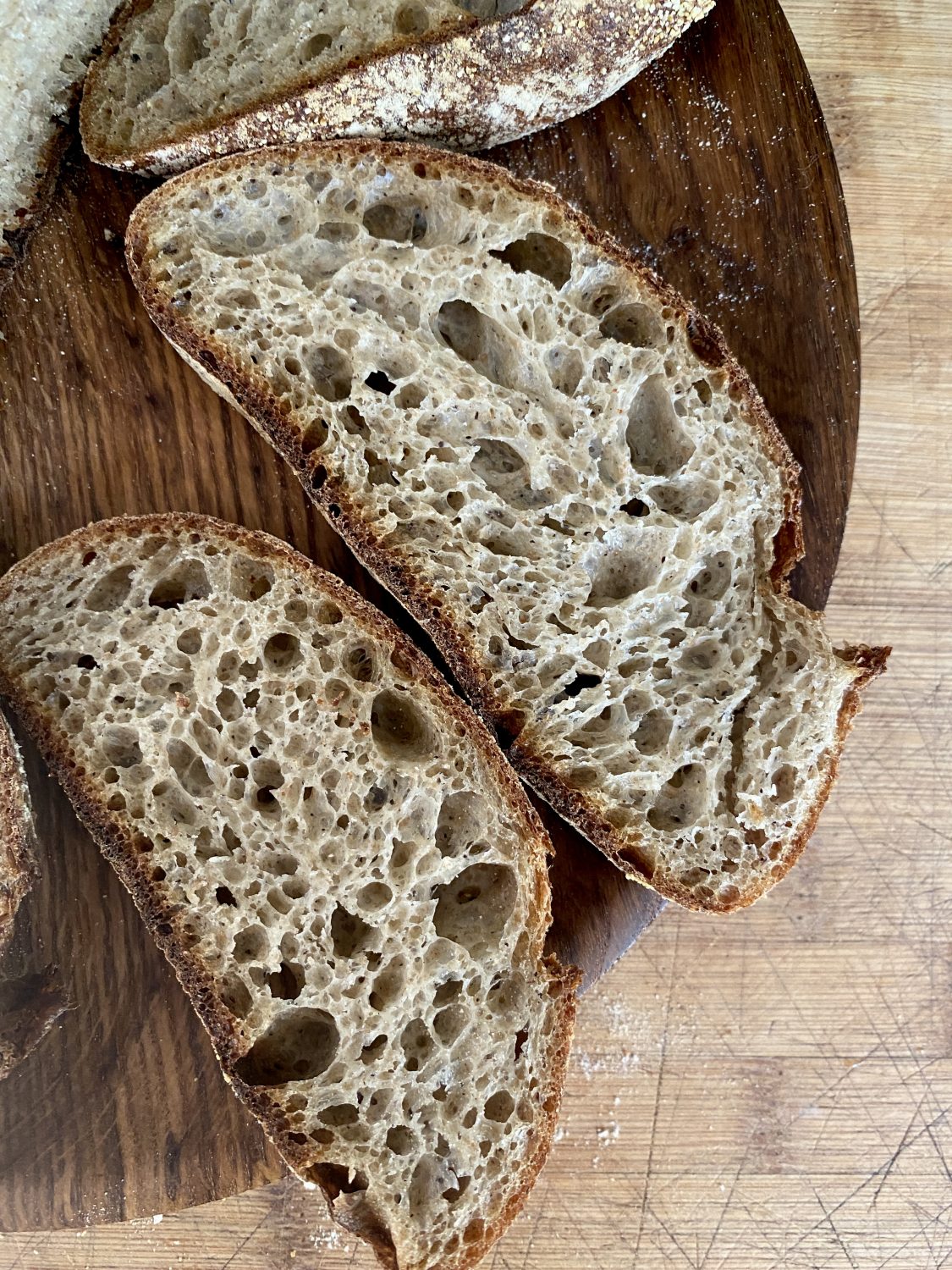

 Thrown out of a supermarket. Featured in the Telegraph & My Mincemeat Focaccia Recipe
Leave a Reply