Salt is an integral part of a sourdough loaf. It acts on many levels all at once, but it’s primary role as a flavour enhancer. I once made a batch of sourdough without salt one morning when I wasn’t quite awake enough to realise my mistake. When I toasted a slice of my glorious bread, and took a bite I was horrified at the result. It was like eating play dough. No .. it was worse then eating play dough. It was revolting, but it taught me in a single mouthful that salt is the best flavour enhancer. It is what makes great bread actually taste great, and although 10g of salt may initially seem like allot of salt, trust me, in the overall percentage terms it’s actually about 2% of the total weight of the loaf. Personally I don’t see salt as the enemy it has been made out to be when used in real food. Salt loaded into ready-made supermarket meals to compensate for cheap nasty ingredients is a whole different story, but in an artisan loaf of bread salt is what makes the flavour happen.
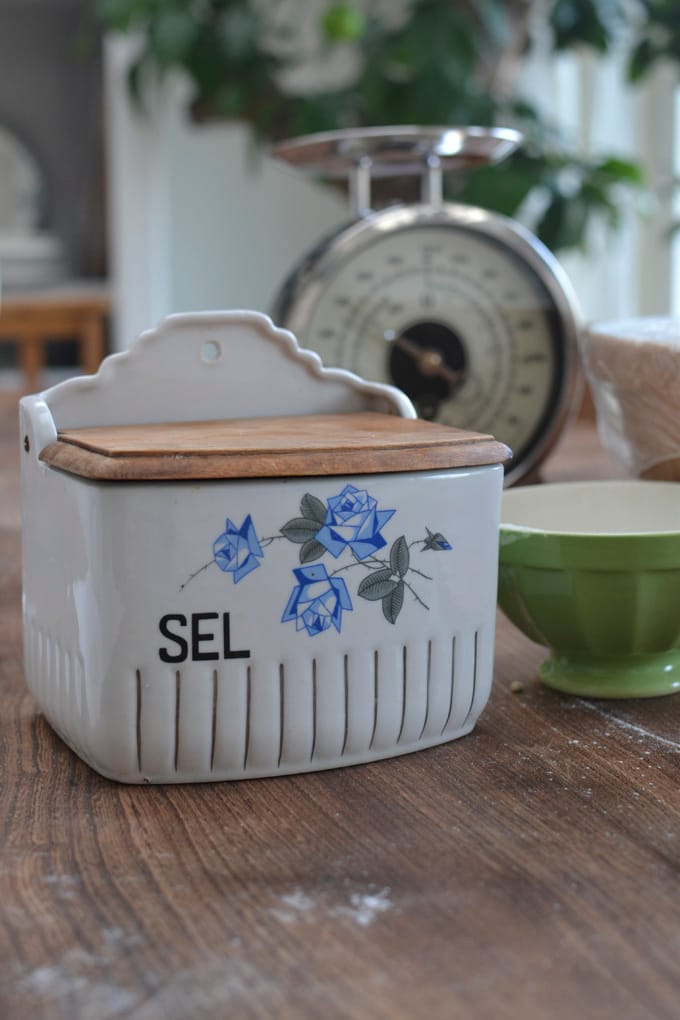
Do you need to use special salt for sourdough? Yes and no. Most people choose to use cheap table salt because they believe that there is no discernable difference between a fancy expensive salt and a cheap table salt, and yet cheap table salt is a pharmaceutical product. It is just sodium chloride, the same stuff that is thrown onto the roads to stop ice from forming. It is beyond me why some bakers insist that cheap mass produced table salt is ok in sourdough because it is not.
Artisan bread deserves artisan salt, not just because you are supporting another artisan producer, but because of the much higher nutritional value of real salt. One of my food hero’s is Mark Bitterman, who wrote Salted. He says “Why is salt so important in food and cooking? Salt is the one ingredient that virtually every culinary tradition in the world uses most! Salt is also the single most powerful flavor enhancer for food—and it tastes great in its own right. Salt has the unique power to temper unwanted flavors like excessive bitterness or sweetness, and to accentuate subtler flavors, thus bringing everything together into vibrant harmony. For thousands of years every culture of the world made salt, and each reflected the unique climate, terrain, and needs of the region. Each has unique mineral content, crystal structure, and residual moisture that dictate the salt’s behavior on food. By taking advantage of the distinctive qualities of each salt and using each to its greatest effect, you get way more flavor and a more intimate connection to your food.” Read more in his book Salted.
Day to day I tend to use British sea salt, simply because it has a slightly lower carbon footprint When I am teaching sourdough course I show people that the key to using salt successfully is to dissolve it into the water and use it after the autolyse stage. This is for two reasons. If you sprinkle salt directly onto your dough it will draw water out of the dough and you may well end up with holes in your dough as the water splits the two layers of dough. The second reason is that salt also inhibits fermentation due to the osmotic pressure effect. As the salt draws the water out of the wild yeast it retards the fermentation so to give your bread the best chance possible then it is best to wait until the sourdough cultures have had a chance to get a hold. Although main role of salt in sourdough is to enhance flavour, salt also affects dough in other ways. Adding salt to sourdough affects the texture of the dough, making it stronger and less sticky whilst reducing the oxidation of the dough during mixing. To some degree adding salt also regulates yeast activity, which means that the fermentation progresses at a more consistent rate. Adding salt to your sourdough has the added benefit of acting as a preservative to your bread. It enhances shelf life because it attracts water, which can help keep bread from staling too quickly in a dry environment. Bear in mind that in a humid environment, it can also make the crust damp as the same mechanism draws water to the loaf.

 Sourdough Blogs