What Is LDL Cholesterol?
LDL cholesterol, or low-density lipoprotein, is the type of cholesterol that carries fats from your liver out into your body. It plays an essential role in normal metabolism and hormone production.
LDL is often called “bad cholesterol,” although it is not harmful in itself. Problems arise when LDL levels remain too high for long periods.
Why Excess LDL Can Become a Problem
When there is too much LDL cholesterol in circulation, it can build up in artery walls. Over time, this process contributes to plaque formation and reduces blood flow.
As a result, persistently raised LDL levels link to increased cardiovascular risk.
How Diet Influences LDL Levels
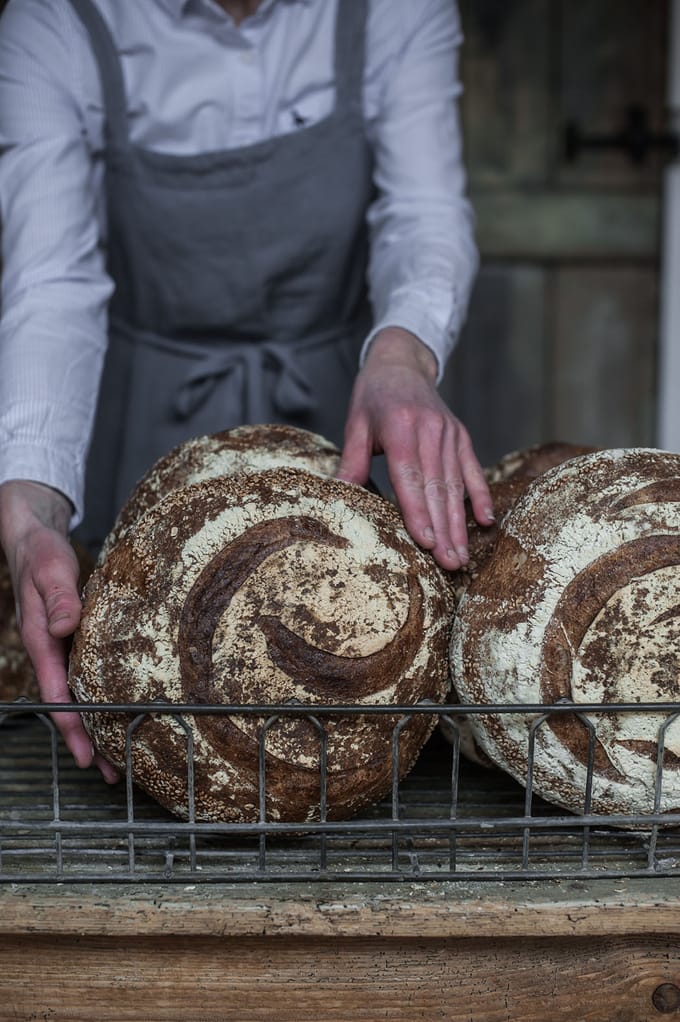
The liver tightly regulates LDL cholesterol. Fibre intake plays a key role in this process. Proven™ bread supports this pathway by helping the liver pull LDL cholesterol back out of circulation to make bile acids.
This mechanism reduces LDL levels at the source rather than simply masking the problem. Long-fermented, fibre-rich bread supports this process naturally through daily dietary habits.
At The Sourdough School, this understanding shapes how we teach fermentation, fibre diversity, and metabolic health. These principles also underpin the Proven Bread programme, where bread functions as part of a structured nutritional intervention rather than a standalone food.
LDL, Fibre, and Fermentation
Gut bacteria ferment fibre to produce short-chain fatty acids, which influence cholesterol metabolism. Through this process, slow-fermented sourdough can support healthier cholesterol balance while remaining part of a normal diet.
This approach reflects the wider Baking as Lifestyle Medicine framework, which connects bread, digestion, and long-term health.
