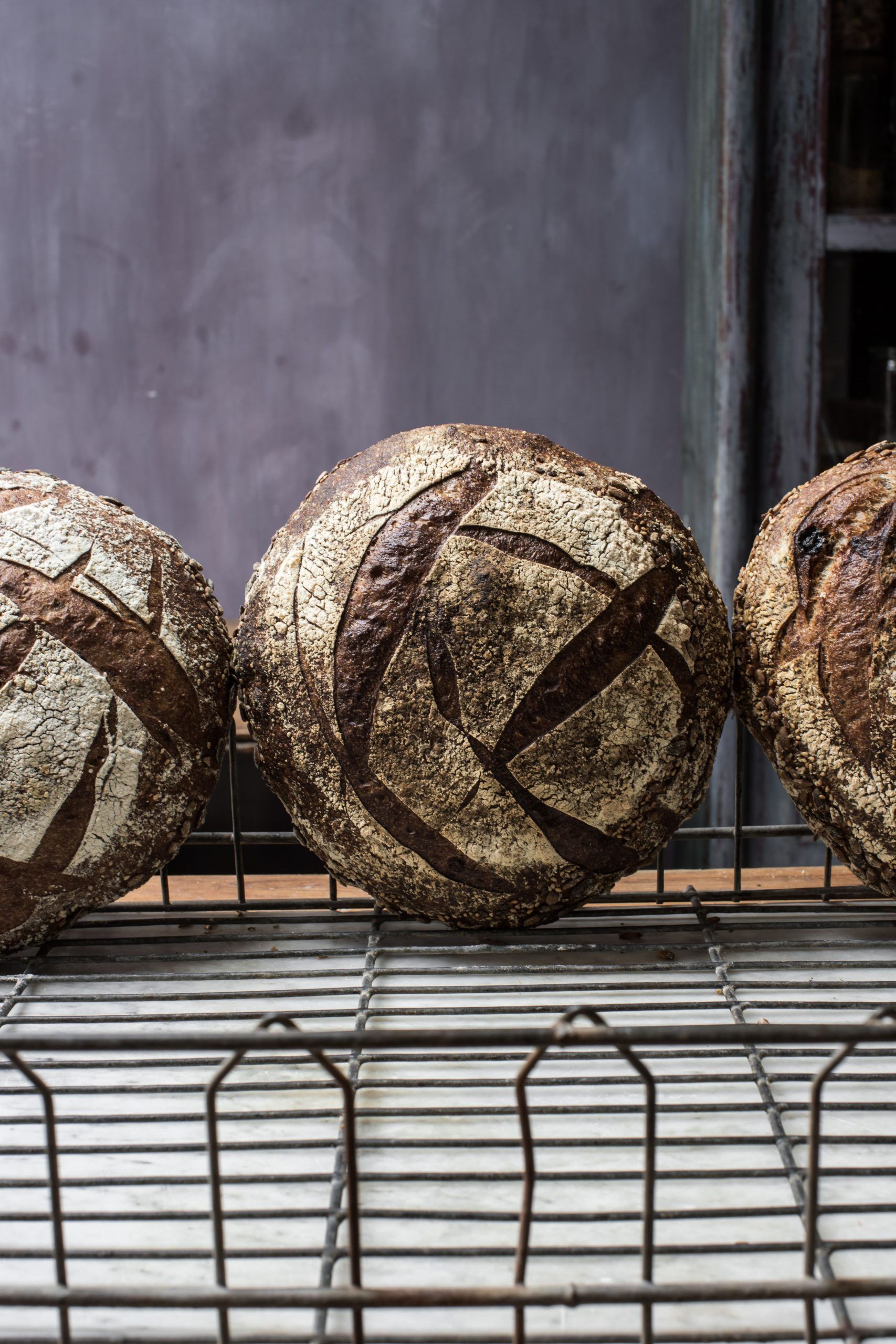
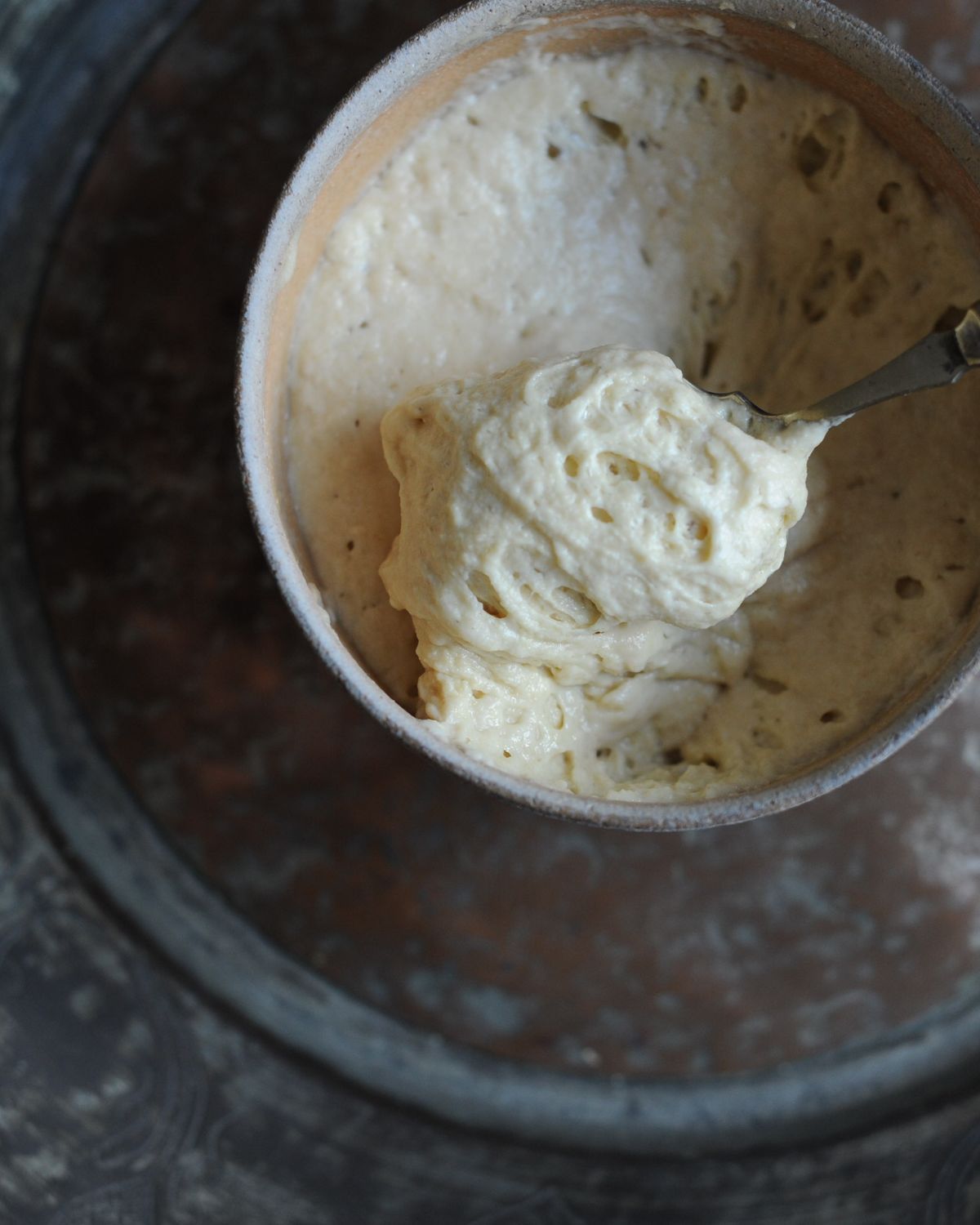
Biga is a type of preferment made by combining flour, water, and a small amount of commercial yeast. It has a stiff, dough-like consistency and is typically fermented for up to 24 hours before being added to a fresh dough mix.
How Biga Works in Bread Making
Biga originated in Italy and is a staple in many traditional Italian breads, such as ciabatta and pane casareccio. Unlike liquid preferments such as poolish, biga has a firmer texture and lower hydration. This dense consistency slows fermentation, encouraging the development of rich, complex flavours and a more open crumb structure. It also strengthens gluten and improves the dough’s handling qualities.
After fermenting, the biga is incorporated into a new dough. Bakers may add additional flour, water, and in some cases, more yeast. The final dough is then proofed and baked. This method is particularly popular in Italian baking traditions.
Biga and Sourdough: Understanding the Differences
While both biga and sourdough starters are used to pre-ferment dough, they differ in leavening agents. Biga uses commercial yeast, whereas sourdough relies on wild yeasts and lactic acid bacteria. This results in different flavour profiles, digestibility, and fermentation timelines.
At The Sourdough School, we primarily work with natural sourdough fermentation due to its benefits for gut health and nutrient bioavailability. However, understanding methods like biga can broaden your perspective on baking techniques and help build your confidence with preferments.
Integrating Traditional Techniques
Whether you’re exploring preferments or improving your sourdough, mastering foundational techniques can transform your baking. Students in our 3-Day Introduction to Sourdough workshops gain hands-on experience working with different hydration levels and fermentation styles.
Home bakers can access high-quality ingredients through our botanical blend flours, designed to support fermentation and flavour. Our equipment shop also includes tools to help manage proofing times and temperature, both essential when working with preferments like biga.